Your Health, We Care
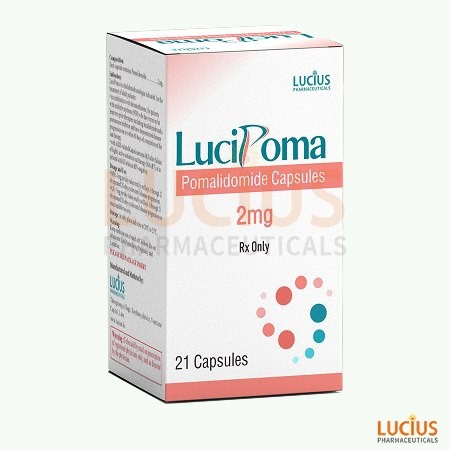
Pomalidomide is an analogue of thalidomide and is contraindicated in pregnancy. Thalidomide is a known human teratogen that causes severe birth defects or embryo-fetal death. Pomalidomide is available only through PS-PomalidomideREMS.
Females of reproductive potential must avoid pregnancy for at least 4 weeks prior to initiating pomalidomide therapy, during treatment, during dose interruptions, and for at least 4 weeks after completing treatment.
Females must commit either to abstain continuously from heterosexual intercourse or to use two reliable methods of contraception beginning 4 weeks prior to starting pomalidomide, during treatment, during dose interruptions, and for 4 weeks after discontinuation.
Two negative pregnancy test results must be obtained prior to initiating treatment. The first test should be performed within 10–14 days and the second test within 24 hours prior to prescribing pomalidomide. Thereafter, testing should be performed weekly during the first month and then monthly in females with regular menstrual cycles, or every 2 weeks in females with irregular menstrual cycles.
Pomalidomide is present in the semen of patients receiving the drug. Therefore, males must always use a latex or synthetic condom during any sexual contact with females of reproductive potential while taking pomalidomide and for 4 weeks after discontinuation, even if they have undergone a successful vasectomy. Male patients taking pomalidomide must not donate sperm.
Patients must not donate blood during pomalidomide treatment and for 4 weeks following discontinuation, as the blood may be transfused to a pregnant female patient whose fetus must not be exposed to pomalidomide.
Because of embryo-fetal risk, pomalidomide is available only through a restricted program under a Risk Evaluation and Mitigation Strategy (REMS) called "PS-PomalidomideREMS".
Requirements of PS-PomalidomideREMS include:
Prescribers must be certified with PS-PomalidomideREMS by enrolling and agreeing to comply with REMS requirements.
Patients must sign a Patient-Physician Agreement Form and comply with REMS requirements. In particular, non-pregnant females of reproductive potential must comply with pregnancy testing and contraception requirements, and males must comply with contraception requirements.
Pharmacies must be certified with PS-PomalidomideREMS and must dispense only to patients authorized to receive pomalidomide and in compliance with REMS requirements.
Venous thromboembolic events (deep vein thrombosis and pulmonary embolism) and arterial thromboembolic events (myocardial infarction and stroke) have been observed in patients treated with pomalidomide. In Study 2, where anticoagulation was mandatory, thromboembolic events occurred in 8.0% of patients treated with pomalidomide plus low-dose dexamethasone compared to 3.3% of patients receiving high-dose dexamethasone. Venous thromboembolic events occurred in 4.7% of patients receiving pomalidomide plus low-dose dexamethasone versus 1.3% in the high-dose dexamethasone group. Arterial thromboembolic events occurred in 3.0% of patients receiving pomalidomide plus low-dose dexamethasone versus 1.3% in the high-dose dexamethasone group.
Patients with known risk factors, including prior thrombosis, may be at greater risk and action should be taken to minimize all modifiable factors. Thromboprophylaxis is recommended, and the choice of regimen should be based on an assessment of the patient's underlying risk factors.
In two randomized clinical trials in patients with multiple myeloma, the addition of pembrolizumab to a thalidomide analogue plus dexamethasone (an unapproved use for PD-1 or PD-L1 blocking antibodies) resulted in increased mortality. Treatment of patients with multiple myeloma using a PD-1 or PD-L1 blocking antibody in combination with a thalidomide analogue plus dexamethasone is not recommended outside of controlled clinical trials.
In Studies 1 and 2, neutropenia was the most frequently reported Grade 3 or 4 adverse reaction in patients treated with pomalidomide plus low-dose dexamethasone, followed by anemia and thrombocytopenia. The incidence of neutropenia of any grade across both studies was 51%. The incidence of Grade 3 or 4 neutropenia was 46%. Febrile neutropenia occurred in 8% of patients.
Monitor patients for hematologic toxicity, especially neutropenia. Monitor complete blood counts weekly for the first 8 weeks and monthly thereafter. Patients may require dose interruption and/or dose adjustment.
In Study 12-C-0047, hematologic toxicity was the most common adverse reaction. Grade 3 or 4 neutropenia occurred in 50% of patients. Monitor patients for hematologic toxicity, especially neutropenia. Monitor complete blood counts every 2 weeks for the first 12 weeks and monthly thereafter. Withhold, reduce the dose of, or permanently discontinue pomalidomide based on the severity of the reaction.
Hepatic failure, including fatal cases, has occurred in patients treated with pomalidomide. Elevated levels of alanine aminotransferase and bilirubin have also been observed in patients receiving pomalidomide. Monitor liver function monthly. Withhold pomalidomide and evaluate upon elevation of liver enzymes. Upon return to baseline values, treatment at a lower dose may be considered.
Severe cutaneous reactions, including Stevens-Johnson syndrome (SJS), toxic epidermal necrolysis (TEN), and drug reaction with eosinophilia and systemic symptoms (DRESS), have been reported. DRESS may present with a cutaneous reaction, eosinophilia, fever, and/or lymphadenopathy accompanied by systemic complications such as hepatitis, nephritis, pneumonitis, myocarditis, and/or pericarditis. These reactions can be fatal. Consider withholding pomalidomide for Grade 2 or 3 skin rash. Permanently discontinue pomalidomide for Grade 4 rash, exfoliative or bullous rash, or other severe cutaneous reactions such as SJS, TEN, or DRESS.
In Studies 1 and 2, 14% of patients treated with pomalidomide plus low-dose dexamethasone experienced dizziness, and 7% experienced a confusional state; Grade 3 or 4 dizziness occurred in 1%, and Grade 3 or 4 confusional state occurred in 3%. Instruct patients to avoid situations where dizziness or confusion may pose a problem, and not to take other medications that may cause dizziness or confusion without adequate medical advice.
In Studies 1 and 2, 18% of patients treated with pomalidomide plus low-dose dexamethasone experienced neuropathy, with approximately 12% experiencing peripheral neuropathy. Grade 3 neuropathy occurred in 2% of patients in Study 2. No Grade 4 neuropathy adverse reactions were reported in either study.
Cases of acute myeloid leukemia have been reported in patients receiving pomalidomide as investigational treatment for indications other than multiple myeloma.
Tumor lysis syndrome (TLS) may occur in patients treated with pomalidomide. Patients at high risk for TLS are those with a high tumor burden prior to treatment. These patients should be monitored closely and appropriate precautions taken.
Hypersensitivity reactions to pomalidomide, including angioedema, anaphylaxis, and anaphylactoid reactions, have been reported. Permanently discontinue pomalidomide for angioedema or anaphylaxis.

Lucius Pharmaceuticals (Lao) LTD. (Lucius Pharmaceuticals), with its manufacturing campus in Laos located in the capital city of Vientiane in 2020, officially begins its great journey to make effective and affordable medicines available to people in need around the world...More

Lucius Pharmaceutical Co., Ltd., was established in 2020 in Vientiane, the capital of Laos. It aims to offer safe, effective, and affordable medicines globally. With a factory spanning 25,000 square meters, the company manufactures 200+ generic drugs in diverse therapeutic fields.
Address: No.26 Thongmang village, Xaythany district, Vientiane Capital, Laos
E-mail:laoslucius@gmail.com

Name: Lucius

Telegram name: Vira
No.:0085253923643
Telegram name: Vira
No.:0085253923643