Your Health, We Care
Release date: 2026-06-18 11:25:17 Article From: Lucius Laos Recommended: 266
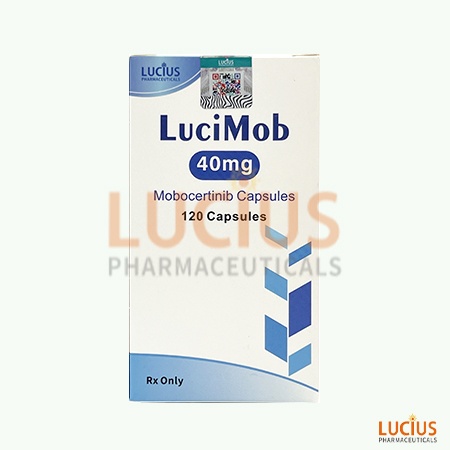
This drug can cause various adverse reactions. Very common (incidence >10%) include: fluid retention leading to edema (especially peripheral edema), nausea, vomiting, diarrhea, elevated serum creatinine, elevated transaminases and alkaline phosphatase, elevated amylase or lipase, and decreased serum albumin. Common (incidence 1%–10%) adverse reactions include prolonged QT interval on electrocardiogram. The most concerning is interstitial lung disease, presenting as sudden dyspnea, cough, and fever; although it falls within the common category (about one in ten), it can be life-threatening. If new or worsening respiratory symptoms occur, seek immediate medical attention.
Regular follow-up is the core element for ensuring efficacy and safety during tepotinib treatment. Your doctor will arrange multiple tests before, during, and when abnormalities arise, including liver function (transaminases, alkaline phosphatase), renal function (creatinine), serum amylase/lipase, and electrocardiogram. These indicators enable early detection of potential liver, kidney, or cardiac effects, facilitating timely dose adjustment or temporary interruption. You should proactively record each test result and discuss trends with your doctor. At every visit, be sure to report all new physical discomforts, even if mild such as fatigue or decreased appetite, because early intervention often prevents serious events. Establishing good doctor-patient communication, without concealment or guesswork, is the cornerstone of ensuring long-term treatment benefit.
Edema (especially swelling of ankles and legs), nausea, diarrhea, and decreased appetite are common adverse reactions. For edema, elevate your lower limbs, wear loose-fitting shoes and socks, avoid prolonged standing or sitting, and limit high-salt foods. If nausea affects eating, try small frequent meals and choose bland, easily digestible foods such as porridge, noodles, and steamed vegetables, while avoiding greasy and spicy foods. For diarrhea, replenish fluids and electrolytes (e.g., oral rehydration solutions), avoid dairy products and high-fiber foods, and your doctor may prescribe antidiarrheal agents if necessary. For severe vomiting, consult your doctor about antiemetic drugs. Decreased albumin may indicate inadequate nutrition; appropriately increase high-quality protein intake (e.g., fish, eggs, tofu) but follow the clinical dietitian's advice. In summary, actively report your symptoms so that your doctor can provide targeted supportive care, helping you tolerate the medication better.
On November 21, 2025, the U.S. Food and Drug Administration (FDA) approved the regimen of pembrolizu···【more】
Recommended:[list:visits]2025-17-12
Lung cancer is the most rapidly increasing malignant tumor with the fastest increasing morbidity and···【more】
Recommended:[list:visits]2024-09-07
Lucius Pharmaceuticals Version of Vibegron Now Available1.Basic Drug InformationVibegron (generic na···【more】
Recommended:[list:visits]2026-06-08
In recent years, leveraging the World Trade Organization (WTO) patent waiver for least-developed cou···【more】
Recommended:[list:visits]2026-05-08
How Can Chinese Patients Access Generic Drugs from Laos?In recent years, generic drugs from Laos hav···【more】
Recommended:[list:visits]2026-04-08
Lucius Pharmaceuticals version of Ibrutinib is now availableIn a randomized controlled trial of 269 ···【more】
Recommended:[list:visits]2026-03-08
Leveraging the WTO patent waiver for least-developed countries (extended to 2033), Laos has seen rap···【more】
Recommended:[list:visits]2026-31-07
Alectinib Has Been Launched in LaosAlectinib is an oral targeted therapeutic drug belonging to the c···【more】
Recommended:[list:visits]2026-30-07
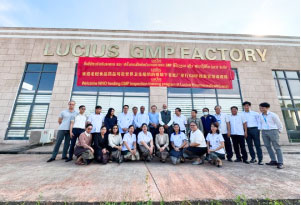
Lucius Pharmaceuticals (Lao) LTD. (Lucius Pharmaceuticals), with its manufacturing campus in Laos located in the capital city of Vientiane in 2020, officially begins its great journey to make effective and affordable medicines available to people in need around the world...More

Lucius Pharmaceutical Co., Ltd., was established in 2020 in Vientiane, the capital of Laos. It aims to offer safe, effective, and affordable medicines globally. With a factory spanning 25,000 square meters, the company manufactures 200+ generic drugs in diverse therapeutic fields.
Address: No.26 Thongmang village, Xaythany district, Vientiane Capital, Laos
E-mail:laoslucius@gmail.com

Name: Lucius

Telegram name: Vira
No.:0085253923643
Telegram name: Vira
No.:0085253923643