Your Health, We Care
Release date: 2026-04-15 16:35:32 Article From: Lucius Laos Recommended: 348
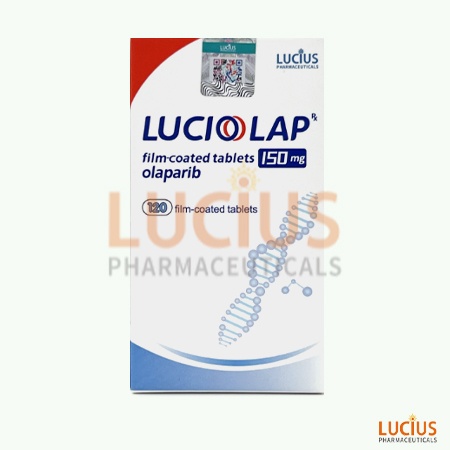
The most common side effects of olaparib vary depending on the treatment regimen. When used as monotherapy, common side effects include fatigue or weakness, low red blood cell count, diarrhea, decreased appetite, headache, altered taste, cough, low white blood cell count, shortness of breath, dizziness, dyspepsia or heartburn, and low platelet count. When combined with bevacizumab, urinary tract infections may also occur. Abdominal pain is relatively common when olaparib is used in combination with abiraterone and prednisone.
For nausea or vomiting, patients may try drinking cold clear liquids such as water, and choose bland foods like dry toast or crackers. For diarrhea, sodium and potassium supplementation (e.g., bananas, potatoes, soups) is required. When experiencing fatigue or weakness, patients should balance rest with mild physical activity and consider joining a support group to relieve psychological stress. Any discomfort should be communicated to a doctor, and self-management is not recommended.
Olaparib may cause severe bone marrow disorders, including myelodysplastic syndrome (MDS) and acute myeloid leukemia (AML). Some patients with prior chemotherapy or radiotherapy developed these diseases during olaparib treatment, which could even lead to death.
Symptoms of low blood cell counts (such as weakness, weight loss, fever, frequent infections, blood in urine or stool, shortness of breath, unusual fatigue, easy bruising or bleeding) are common but may be warning signs of MDS or AML. Doctors will perform complete blood count tests before treatment, monthly during treatment, and weekly in cases of persistent low blood cell counts.
In addition, olaparib may cause pulmonary problems (pneumonia), presenting as new or worsening shortness of breath, fever, cough or wheezing. This can be fatal in severe cases; patients must inform their doctor promptly and undergo a chest X-ray.
Venous thromboembolism, including deep vein thrombosis (usually in the lower legs) and pulmonary embolism, may occur during olaparib treatment. These conditions can be severe and even life-threatening.
Immediate medical attention is required if symptoms such as pain or swelling in the limbs, shortness of breath, chest pain, rapid breathing or rapid heartbeat appear. Doctors will monitor these symptoms and may prescribe anticoagulant medications.
Liver problems, including drug-induced liver injury, are also a concern and can lead to death in severe cases. Patients need regular blood tests to monitor liver function before and during treatment.
If symptoms such as right upper abdominal discomfort, dark urine (tea-colored), or yellowing of the skin or sclera (jaundice) occur, the doctor must be notified immediately. The doctor will adjust the dosage, suspend treatment, or permanently discontinue olaparib based on the severity of side effects.
On November 21, 2025, the U.S. Food and Drug Administration (FDA) approved the regimen of pembrolizu···【more】
Recommended:8472025-17-12
Lung cancer is the most rapidly increasing malignant tumor with the fastest increasing morbidity and···【more】
Recommended:10452024-09-07
Recently, Lao Lucius Pharmaceutical (Lucius Pharmaceuticals) issued a solemn statement regarding cou···【more】
Recommended:2812026-10-10
Lucius Pharmaceuticals Version of Vibegron Now Available1.Basic Drug InformationVibegron (generic na···【more】
Recommended:3972026-06-08
In recent years, leveraging the World Trade Organization (WTO) patent waiver for least-developed cou···【more】
Recommended:5872026-05-08
How Can Chinese Patients Access Generic Drugs from Laos?In recent years, generic drugs from Laos hav···【more】
Recommended:5512026-04-08
Lucius Pharmaceuticals version of Ibrutinib is now availableIn a randomized controlled trial of 269 ···【more】
Recommended:4452026-03-08
Leveraging the WTO patent waiver for least-developed countries (extended to 2033), Laos has seen rap···【more】
Recommended:6022026-31-07

Lucius Pharmaceuticals (Lao) LTD. (Lucius Pharmaceuticals), with its manufacturing campus in Laos located in the capital city of Vientiane in 2020, officially begins its great journey to make effective and affordable medicines available to people in need around the world...More

Lucius Pharmaceutical Co., Ltd., was established in 2020 in Vientiane, the capital of Laos. It aims to offer safe, effective, and affordable medicines globally. With a factory spanning 25,000 square meters, the company manufactures 200+ generic drugs in diverse therapeutic fields.
Address: No.26 Thongmang village, Xaythany district, Vientiane Capital, Laos
E-mail:laoslucius@gmail.com

Name: Lucius

Telegram name: Vira
No.:0085253923643
Telegram name: Vira
No.:0085253923643