Your Health, We Care
Release date: 2025-06-11 13:06:04 Article From: Lucius Laos Recommended: 314
Correct understanding of drug properties is of guiding significance for treatment decisions.
Understanding the potential impact of treatments is an important part of the patient's right to know.
Some users may experience an upper respiratory tract infection, headache, or acne-like rash. These phenomena usually appear at the beginning of treatment and are usually mild to moderate in severity. Nausea and elevated creatine phosphokinase have also been reported, and regular laboratory testing can help track changes.
Risk of cardiovascular events and thrombosis requires special attention, especially in patients with a relevant medical history. Laboratory indicators may show a decreased lymphocyte count, abnormal liver enzymes, or an elevated lipid profile. There is an increased risk of severe infection, and any persistent fever or malaise should be noted.
Response to treatment varies greatly among populations. Underlying health conditions, genetic background, and concomitant medications can all affect response performance. Older people or those with liver and kidney insufficiency may need to adjust the regimen, and a professional medical team can provide an individualized evaluation.
Rational use is at the heart of balancing benefits and risks.
Daily oral doses are typically maintained in the range of 100 to 200 mg, which is about $30 to $60 per day. Increasing or decreasing the dosage without authorization may affect the effect or increase the probability of discomfort. Setting reminders to take your medication can help keep your blood levels stable.
In the first month of treatment, it is recommended to perform routine blood tests and liver and kidney function tests every two weeks, and then adjust to monthly reexamination. Blood pressure monitoring should be included in daily management, and home self-test records can provide an important reference for follow-up. Any new onset of symptoms should be communicated promptly.
When tolerance is an issue, traditional systemic therapy or biologic switching may be considered. Topical agents combined with phototherapy are also viable complementary strategies. Decisions should be made based on the severity of the lesion, prior treatment history, and quality of life needs.
Moisturizing the skin relieves dryness and discomfort. Moderate exercise can improve circulatory function, but excessive fatigue should be avoided. A balanced diet to reduce high-fat intake has an auxiliary effect on the control of blood lipid metabolism indicators.
Establish a treatment diary to record changes in symptoms and the duration of medication. Bring a complete list of medications, including over-the-counter supplements, to your follow-up appointment. A clear description of the characteristics of discomfort (location, duration, aggravating factors) is helpful for professional judgment.
Treatment options should be based on a full understanding of the potential impacts, combined with ongoing professional guidance and self-observation, to achieve optimal health management goals.
On November 21, 2025, the U.S. Food and Drug Administration (FDA) approved the regimen of pembrolizu···【more】
Recommended:[list:visits]2025-17-12
Lung cancer is the most rapidly increasing malignant tumor with the fastest increasing morbidity and···【more】
Recommended:[list:visits]2024-09-07
Lucius Pharmaceuticals Version of Vibegron Now Available1.Basic Drug InformationVibegron (generic na···【more】
Recommended:[list:visits]2026-06-08
In recent years, leveraging the World Trade Organization (WTO) patent waiver for least-developed cou···【more】
Recommended:[list:visits]2026-05-08
How Can Chinese Patients Access Generic Drugs from Laos?In recent years, generic drugs from Laos hav···【more】
Recommended:[list:visits]2026-04-08
Lucius Pharmaceuticals version of Ibrutinib is now availableIn a randomized controlled trial of 269 ···【more】
Recommended:[list:visits]2026-03-08
Leveraging the WTO patent waiver for least-developed countries (extended to 2033), Laos has seen rap···【more】
Recommended:[list:visits]2026-31-07
Alectinib Has Been Launched in LaosAlectinib is an oral targeted therapeutic drug belonging to the c···【more】
Recommended:[list:visits]2026-30-07
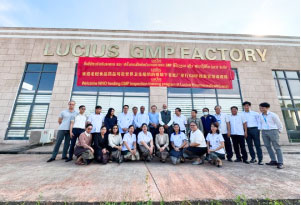
Lucius Pharmaceuticals (Lao) LTD. (Lucius Pharmaceuticals), with its manufacturing campus in Laos located in the capital city of Vientiane in 2020, officially begins its great journey to make effective and affordable medicines available to people in need around the world...More

Lucius Pharmaceutical Co., Ltd., was established in 2020 in Vientiane, the capital of Laos. It aims to offer safe, effective, and affordable medicines globally. With a factory spanning 25,000 square meters, the company manufactures 200+ generic drugs in diverse therapeutic fields.
Address: No.26 Thongmang village, Xaythany district, Vientiane Capital, Laos
E-mail:laoslucius@gmail.com

Name: Lucius

Telegram name: Vira
No.:0085253923643
Telegram name: Vira
No.:0085253923643