Your Health, We Care
Release date: 2026-01-26 14:05:21 Article From: Lucius Laos Recommended: 284
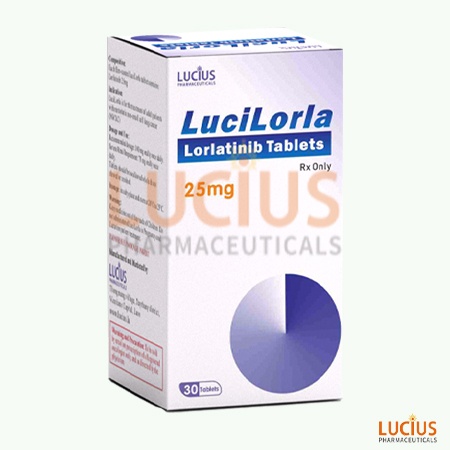
The common adverse reactions of Lorlatinib include metabolic abnormalities, central nervous system (CNS) symptoms, edema, weight gain, and peripheral neuropathy. Most of these reactions are mild to moderate, but monitoring and management should be tailored to individual patient conditions.
Hypercholesterolemia/Hypertriglyceridemia:Occurring in approximately 80% of patients, this condition requires intervention via dietary control or medications (e.g., statins).
Elevated Blood Glucose:Some patients may develop insulin resistance or have an increased risk of diabetes, necessitating regular blood glucose monitoring.
Headache, dizziness, and memory impairment:These symptoms are associated with the drug’s ability to cross the blood-brain barrier and are usually transient.
Mood or behavioral changes:Such as anxiety, depression, and hallucinations (with an incidence rate of approximately 2–7%). Discontinuation of the drug is required in severe cases.
Edema of the extremities or face occurs in around 30% of patients, which is linked to fluid and sodium retention induced by the drug.
Weight gain is mostly associated with metabolic abnormalities or changes in appetite, requiring dietary control and body fat monitoring.
Manifested as numbness, tingling, or hypoesthesia in the hands and feet, this condition can be alleviated by dose adjustment or administration of neurotrophic drugs.
Symptoms such as diarrhea, nausea, and vomiting are generally mild and can be improved by adjusting medication administration time or implementing symptomatic treatment.
Clinical manifestations include cough, dyspnea, and low-grade fever. Immediate drug discontinuation and glucocorticoid therapy are required.
QT interval prolongation: May trigger arrhythmias, necessitating regular monitoring of electrocardiograms (ECG) and electrolytes.
Bradycardia: Rarely occurs; it is necessary to assess whether the patient has comorbid cardiac diseases.
Elevated transaminase levels occur in approximately 15% of patients. In severe cases, temporary drug suspension and hepatoprotective treatment are indicated.
Mild (Grade 1–2): Generally, no drug discontinuation is required; symptomatic treatment alone suffices (e.g., antiemetics, lipid-lowering agents).
Moderate to severe (Grade 3–4): Temporary drug suspension or dose reduction is needed until symptoms resolve.
Laboratory tests: Include lipid profiles, blood glucose, liver function, and electrolytes (conducted every 2–4 weeks).
Imaging and functional assessments: Such as chest computed tomography (CT) to screen for pulmonary toxicity, and ECG to monitor QT interval.
Patients should seek immediate medical attention if they experience dyspnea, chest pain, severe headache, or behavioral abnormalities.
Patients should avoid self-administering medications that may exacerbate metabolic abnormalities (e.g., hormonal agents).
The adverse reactions of lorlatinib vary significantly among individuals. Clinically, personalized management plans should be formulated based on the patient’s underlying diseases and concomitant medications. Timely communication of symptom changes and standardized follow-up are crucial to ensuring the safe use of the drug.
On November 21, 2025, the U.S. Food and Drug Administration (FDA) approved the regimen of pembrolizu···【more】
Recommended:[list:visits]2025-17-12
Lung cancer is the most rapidly increasing malignant tumor with the fastest increasing morbidity and···【more】
Recommended:[list:visits]2024-09-07
Lucius Pharmaceuticals Version of Vibegron Now Available1.Basic Drug InformationVibegron (generic na···【more】
Recommended:[list:visits]2026-06-08
In recent years, leveraging the World Trade Organization (WTO) patent waiver for least-developed cou···【more】
Recommended:[list:visits]2026-05-08
How Can Chinese Patients Access Generic Drugs from Laos?In recent years, generic drugs from Laos hav···【more】
Recommended:[list:visits]2026-04-08
Lucius Pharmaceuticals version of Ibrutinib is now availableIn a randomized controlled trial of 269 ···【more】
Recommended:[list:visits]2026-03-08
Leveraging the WTO patent waiver for least-developed countries (extended to 2033), Laos has seen rap···【more】
Recommended:[list:visits]2026-31-07
Alectinib Has Been Launched in LaosAlectinib is an oral targeted therapeutic drug belonging to the c···【more】
Recommended:[list:visits]2026-30-07

Lucius Pharmaceuticals (Lao) LTD. (Lucius Pharmaceuticals), with its manufacturing campus in Laos located in the capital city of Vientiane in 2020, officially begins its great journey to make effective and affordable medicines available to people in need around the world...More

Lucius Pharmaceutical Co., Ltd., was established in 2020 in Vientiane, the capital of Laos. It aims to offer safe, effective, and affordable medicines globally. With a factory spanning 25,000 square meters, the company manufactures 200+ generic drugs in diverse therapeutic fields.
Address: No.26 Thongmang village, Xaythany district, Vientiane Capital, Laos
E-mail:laoslucius@gmail.com

Name: Lucius

Telegram name: Vira
No.:0085253923643
Telegram name: Vira
No.:0085253923643