Your Health, We Care
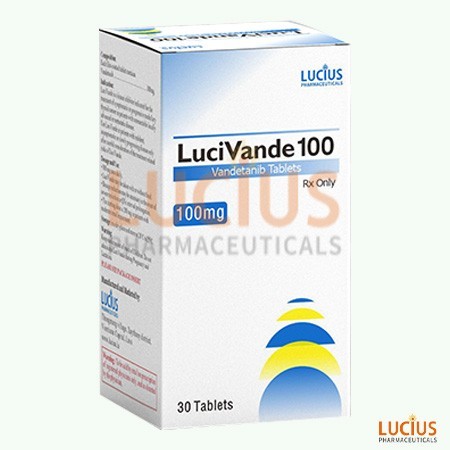
Vandetanib can prolong the QT interval in a concentration-dependent manner. Torsades de pointes, ventricular tachycardia, and sudden death have occurred in patients receiving vandetanib.
Do not start vandetanib treatment in patients with a QTcF interval greater than 450 ms. Do not administer vandetanib to patients with a history of torsades de pointes, congenital long QT syndrome, bradyarrhythmia, or decompensated heart failure. Vandetanib has not been studied in patients with ventricular arrhythmias or recent myocardial infarction. Vandetanib exposure is increased in patients with renal impairment. For patients with moderate renal impairment, reduce the starting dose to 200 mg and monitor the QT interval frequently.
Obtain electrocardiograms and serum potassium, calcium, magnesium, and TSH at baseline, 2 to 4 weeks and 8 to 12 weeks after starting vandetanib treatment, and every 3 months thereafter. For patients who develop diarrhea, monitor electrolytes and electrocardiograms more frequently. After any dose reduction for QT interval prolongation or any dose interruption for more than 2 weeks, perform QT assessment as described above. Maintain serum potassium levels at 4 mEq/L or higher (within the normal range) and maintain serum magnesium and calcium levels within the normal range to reduce the risk of QT interval prolongation.
Avoid concomitant use of vandetanib with drugs known to prolong the QT interval. If such drugs must be used in patients already receiving vandetanib and no alternative therapy is available, perform electrocardiographic monitoring of the QT interval more frequently.
For patients who develop QTcF greater than 500 ms, withhold vandetanib until QTcF returns to less than 450 ms. Vandetanib may then be resumed at a reduced dose.
Severe and sometimes fatal skin reactions, including toxic epidermal necrolysis and Stevens-Johnson syndrome, have occurred in patients receiving vandetanib. For severe skin reactions, permanently discontinue vandetanib and instruct patients to seek emergency medical attention. Systemic treatment, such as corticosteroids, may be required.
Photosensitivity reactions may occur during vandetanib treatment and for up to 4 months after treatment discontinuation.
Interstitial lung disease or pneumonitis, including fatal cases, has occurred in patients receiving vandetanib. Consider the diagnosis of interstitial lung disease in patients presenting with nonspecific respiratory signs and symptoms.
Interrupt vandetanib treatment if acute or worsening pulmonary symptoms occur. If interstitial lung disease is confirmed, discontinue vandetanib.
Ischemic cerebrovascular events, including fatal cases, have occurred in patients receiving vandetanib. In a randomized medullary thyroid cancer study, the incidence of ischemic cerebrovascular events was higher in the vandetanib group compared with placebo. The safety of resuming vandetanib treatment after resolution of an ischemic cerebrovascular event has not been studied. Discontinue vandetanib in patients who develop a severe ischemic cerebrovascular event.
Severe bleeding events, including fatal cases, have occurred in patients receiving vandetanib. Do not administer vandetanib to patients with a recent history of hemoptysis. Discontinue vandetanib in patients who develop severe hemorrhage.
Heart failure, including fatal cases, has occurred in patients receiving vandetanib. Monitor for signs and symptoms of heart failure. Consider discontinuing vandetanib in patients who develop heart failure. Heart failure may be irreversible after stopping vandetanib.
In a randomized medullary thyroid cancer study, Grade 3 or more severe diarrhea occurred in 11% of patients receiving vandetanib. If diarrhea occurs, carefully monitor serum electrolytes and electrocardiograms to reduce the risk of QT interval prolongation due to dehydration and to achieve early detection. For severe diarrhea, interrupt vandetanib treatment. After improvement, resume vandetanib at a reduced dose.
In a randomized medullary thyroid cancer study, 90% of enrolled patients had undergone thyroidectomy, and 49% of patients in the vandetanib treatment group required an increase in the dose of thyroid replacement therapy compared with 17% in the placebo group. Obtain thyroid-stimulating hormone at baseline, 2 to 4 weeks and 8 to 12 weeks after starting vandetanib treatment, and every 3 months thereafter. If signs or symptoms of hypothyroidism occur, check thyroid hormone levels and adjust thyroid replacement therapy accordingly.
Hypertension, including hypertensive crisis, has occurred in patients receiving vandetanib. Monitor all patients for hypertension. Dose reduction or interruption of treatment may be required for hypertension. Do not resume vandetanib if hypertension cannot be controlled.
Reversible posterior leukoencephalopathy syndrome, a syndrome of subcortical vasogenic edema diagnosed by brain MRI, has occurred in patients receiving vandetanib. Consider this syndrome in any patient who develops seizures, headache, visual disturbances, confusion, or altered mental function. In clinical studies, three of four patients who developed reversible posterior leukoencephalopathy syndrome while taking vandetanib also had hypertension. Discontinue vandetanib treatment in patients who develop reversible posterior leukoencephalopathy syndrome.
Avoid concomitant use of vandetanib with antiarrhythmic drugs and other drugs that may prolong the QT interval.
Renal failure has occurred in patients receiving vandetanib. Withhold, reduce the dose, or permanently discontinue based on severity.
Vandetanib exposure is increased in patients with renal impairment. For patients with moderate renal impairment, reduce the starting dose to 200 mg and closely monitor the QT interval. Vandetanib is not recommended for patients with severe renal impairment. There are no data in patients with end-stage renal disease requiring dialysis.
Vandetanib is not recommended for patients with moderate or severe hepatic impairment because its safety and efficacy have not been established.
Impaired wound healing may occur in patients receiving drugs that inhibit the VEGF signaling pathway. Impaired wound healing has occurred in patients receiving vandetanib.
Discontinue vandetanib for at least 1 month before elective surgery. Do not administer vandetanib for at least 2 weeks after major surgery and until adequate wound healing. The safety of resuming vandetanib after resolution of wound healing complications has not been established.
Based on its mechanism of action and findings in animals, vandetanib may cause fetal harm when administered to pregnant women. In rats, vandetanib was embryotoxic and fetotoxic, induced fetal malformations, and adversely affected female fertility, embryo-fetal development, and postnatal development of offspring at exposures equivalent to or lower than the expected exposure at the 300 mg clinical dose.
Inform patients of the potential risk to the fetus. Advise females of reproductive potential to use effective contraception during vandetanib treatment and for 4 months after the last dose. Advise males with female partners of reproductive potential to use effective contraception during vandetanib treatment and for 4 months after the last dose.
Because of the risk of QT interval prolongation, torsades de pointes, and sudden death, vandetanib is available only through a restricted distribution program called the Vandetanib REMS Program. Only prescribers and pharmacies certified through this program can prescribe and dispense vandetanib.
Osteonecrosis, including osteonecrosis of the jaw, has occurred during vandetanib treatment. Concomitant exposure to other risk factors, such as bisphosphonates, denosumab, dental disease, or invasive dental procedures, may increase the risk of osteonecrosis of the jaw. Perform oral examinations before and periodically during vandetanib treatment. Instruct patients to maintain good oral hygiene practices. Avoid invasive dental procedures during vandetanib treatment, especially in high-risk patients. Discontinue vandetanib for at least 1 month before planned dental surgery or invasive dental procedures. If osteonecrosis of the jaw occurs, permanently discontinue vandetanib.

Lucius Pharmaceuticals (Lao) LTD. (Lucius Pharmaceuticals), with its manufacturing campus in Laos located in the capital city of Vientiane in 2020, officially begins its great journey to make effective and affordable medicines available to people in need around the world...More

Lucius Pharmaceutical Co., Ltd., was established in 2020 in Vientiane, the capital of Laos. It aims to offer safe, effective, and affordable medicines globally. With a factory spanning 25,000 square meters, the company manufactures 200+ generic drugs in diverse therapeutic fields.
Address: No.26 Thongmang village, Xaythany district, Vientiane Capital, Laos
E-mail:laoslucius@gmail.com

Name: Lucius

Telegram name: Vira
No.:0085253923643
Telegram name: Vira
No.:0085253923643