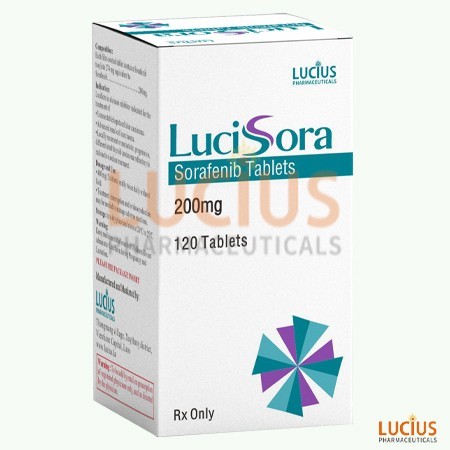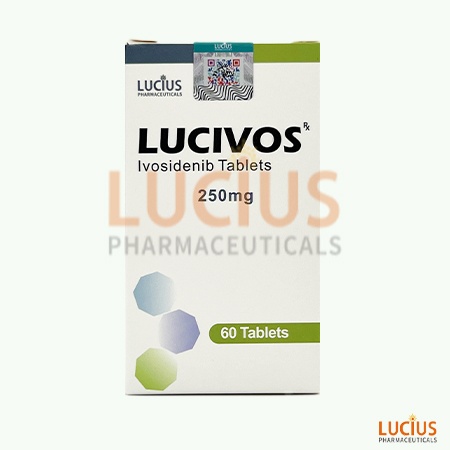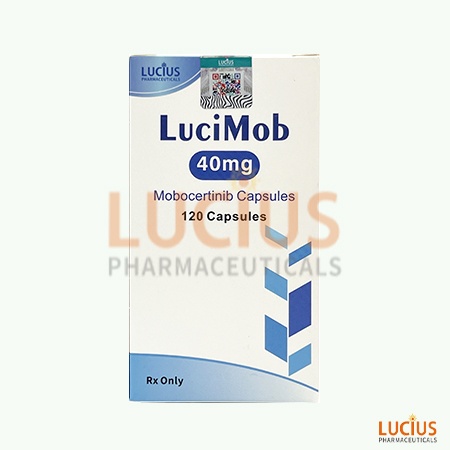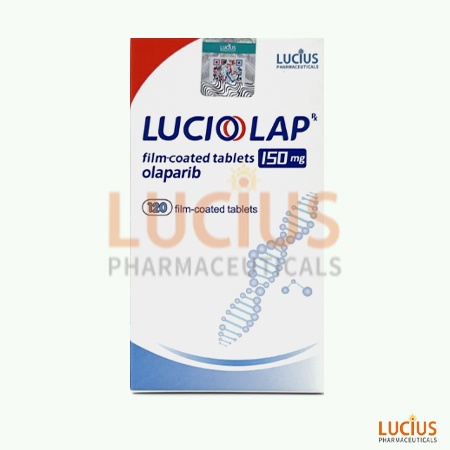
Your Health, We Care
In the SHARP (hepatocellular carcinoma) study, the incidence of myocardial ischemia/infarction was 2.7% in the sorafenib group and 1.3% in the placebo group; in the TARGET (renal cell carcinoma) study, it was 2.9% in the sorafenib group and 0.4% in the placebo group; in the DECISION (differentiated thyroid carcinoma) study, it was 1.9% in the sorafenib group and 0% in the placebo group. Patients with unstable coronary artery disease or recent myocardial infarction were excluded from the studies. Across multiple clinical trials, the reported rate of congestive heart failure in sorafenib-treated patients (N=2276) was 1.9%. Consider temporary or permanent discontinuation of sorafenib in patients who develop cardiovascular events.
Sorafenib may increase the risk of bleeding. In the SHARP study, the rates of esophageal variceal bleeding (2.4% vs 4%) and fatal bleeding at any site (2.4% vs 4%) were similar between the sorafenib and placebo groups. In the TARGET study, the reported rate of bleeding was 15.3% in the sorafenib group and 8.2% in the placebo group. The incidence of Grade 3 and Grade 4 bleeding was 2% and 0%, respectively, in the sorafenib group, and 1.3% and 0.2%, respectively, in the placebo group. There was one fatal bleeding event in each group in the TARGET study. In the DECISION study, the reported rate of bleeding was 17.4% in the sorafenib group and 9.6% in the placebo group; however, the incidence of Grade 3 bleeding was similar (1% vs 1.4%). Consider permanent discontinuation of sorafenib for any bleeding requiring medical intervention. Due to the potential risk of bleeding, patients with differentiated thyroid carcinoma should receive local treatment of tracheal, bronchial, and esophageal infiltration before using sorafenib.
In the SHARP study, the reported rate of hypertension was 9.4% in the sorafenib group and 4.3% in the placebo group. In the TARGET study, it was 16.9% in the sorafenib group and 1.8% in the placebo group. In the DECISION study, it was 40.6% in the sorafenib group and 12.4% in the placebo group. Hypertension is usually mild to moderate, occurs early in treatment, and can be controlled with standard antihypertensive therapy. Permanent discontinuation due to hypertension occurred in only 1 patient each in the SHARP, TARGET, and DECISION studies.
Monitor blood pressure weekly during the first 6 weeks of sorafenib treatment, and thereafter monitor blood pressure and treat hypertension according to standard medical practice. For cases of severe or persistent hypertension despite antihypertensive treatment, consider temporary or permanent discontinuation of sorafenib.
Hand-foot skin reaction and rash are the most common adverse reactions of sorafenib. Rash and hand-foot skin reaction are usually Grade 1 and Grade 2 and generally occur within the first six weeks of sorafenib treatment. Permanent discontinuation due to hand-foot skin reaction occurred in 1.3%, 0.7%, and 5.3% of patients with hepatocellular carcinoma, renal cell carcinoma, and differentiated thyroid carcinoma, respectively.
Management of skin toxicity may include local symptomatic treatment, temporary interruption of treatment and/or reduction of the sorafenib dose, or permanent discontinuation of sorafenib in severe or persistent cases.
Serious skin toxicity has been reported, including Stevens-Johnson syndrome and toxic epidermal necrolysis, which may be life-threatening. Discontinue sorafenib if Stevens-Johnson syndrome or toxic epidermal necrolysis is suspected.
Gastrointestinal perforation has been reported in less than 1% of patients taking sorafenib. Some cases were not associated with apparent intra-abdominal tumor. Permanently discontinue sorafenib if gastrointestinal perforation occurs.
Bleeding or elevated international normalized ratio has been reported in some patients taking warfarin concomitantly with sorafenib. Monitor prothrombin time, international normalized ratio, or clinical bleeding events regularly in patients receiving concomitant warfarin.
Impaired wound healing may occur in patients receiving drugs that inhibit the VEGF signaling pathway. Therefore, sorafenib may adversely affect wound healing.
Discontinue sorafenib for at least 10 days before elective surgery. Do not administer for at least 2 weeks after major surgery and until adequate wound healing. The safety of resuming sorafenib after resolution of wound healing complications has not been established.
A subgroup analysis of two randomized controlled trials in treatment-naive stage IIIB–IV non-small cell lung cancer showed higher mortality in patients with squamous cell carcinoma who received sorafenib in combination with carboplatin/paclitaxel or gemcitabine/cisplatin compared with carboplatin/paclitaxel alone or gemcitabine/cisplatin alone. Sorafenib in combination with carboplatin/paclitaxel is contraindicated in patients with squamous cell lung cancer. Sorafenib in combination with gemcitabine/cisplatin is not recommended in patients with squamous cell lung cancer. The safety and efficacy of sorafenib in patients with non-small cell lung cancer have not been established.
Sorafenib can prolong the QT/QTc interval and increase the risk of ventricular arrhythmias.
Avoid use in patients with congenital long QT syndrome. Monitor electrolytes and ECG in patients with congestive heart failure, bradycardia, or use of drugs known to prolong the QT interval (including Class Ia and Class III antiarrhythmics). Correct electrolyte abnormalities. Interrupt sorafenib treatment if the QTc interval is greater than 500 ms or increases by 60 ms or more from baseline.
Sorafenib-induced hepatitis is characterized by a hepatocellular injury pattern with marked transaminase elevations and may lead to hepatic failure and death. Elevations in bilirubin and international normalized ratio may also occur. In the global monotherapy database, the incidence of serious drug-induced liver injury (defined as transaminase elevation >20 times the upper limit of normal or transaminase elevation with significant clinical sequelae) was 0.06% (2/3357).
Monitor liver function tests regularly. Discontinue sorafenib if significant transaminase elevation occurs without an obvious alternative cause (such as viral hepatitis or progression of underlying malignancy).
Based on its mechanism of action and findings from animal studies, sorafenib may cause fetal harm when administered to pregnant women. Sorafenib caused embryo-fetal toxicity in animals at maternal exposures significantly lower than human exposure at the recommended dose (400 mg twice daily). Inform pregnant women and females of reproductive potential of the potential risk to the fetus. Advise females of reproductive potential to use effective contraception during treatment and for 6 months after the last dose. Advise male patients with female partners of reproductive potential or with pregnant partners to use effective contraception during treatment and for 3 months after the last dose.
Sorafenib impairs exogenous thyroid suppression. In the DECISION study, 99% of patients had baseline TSH levels below 0.5 mU/L. TSH levels increased above 0.5 mU/L in 41% of sorafenib-treated patients compared with 16% of placebo-treated patients. For patients with impaired TSH suppression during sorafenib treatment, the median maximum TSH was 1.6 mU/L, and 25% of patients had TSH levels greater than 4.4 mU/L.
Monitor TSH levels monthly in patients with differentiated thyroid carcinoma and adjust thyroid replacement medication as needed.
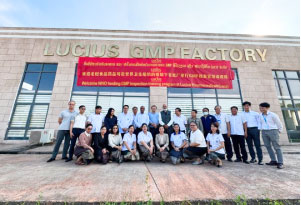
Lucius Pharmaceuticals (Lao) LTD. (Lucius Pharmaceuticals), with its manufacturing campus in Laos located in the capital city of Vientiane in 2020, officially begins its great journey to make effective and affordable medicines available to people in need around the world...More

Lucius Pharmaceutical Co., Ltd., was established in 2020 in Vientiane, the capital of Laos. It aims to offer safe, effective, and affordable medicines globally. With a factory spanning 25,000 square meters, the company manufactures 200+ generic drugs in diverse therapeutic fields.
Address: No.26 Thongmang village, Xaythany district, Vientiane Capital, Laos
E-mail:laoslucius@gmail.com

Name: Lucius

Telegram name: Vira
No.:0085253923643
Telegram name: Vira
No.:0085253923643