Your Health, We Care
Release date: 2024-12-02 14:30:49 Article From: Lucius Laos Recommended: 413
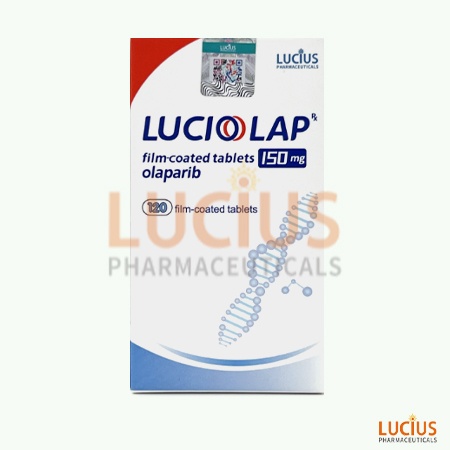
Olaparib is a polyadenosine diphosphate ribose polymerase (PARP) inhibitor. PARP enzymes play a key role in repairing DNA damage in cells. Normal cells have a variety of DNA repair mechanisms, and even if the function of PARP enzyme is inhibited to a certain extent, it can repair DNA damage through other ways to maintain the normal function of cells. However, tumor cells, unlike normal cells, tend to have abnormal DNA repair mechanisms and are more dependent on the PARP enzyme. Olaparib blocks the DNA damage repair process within tumor cells by inhibiting the activity of the PARP enzyme. As a result, tumor cells are unable to effectively repair DNA damage, and DNA damage accumulates, eventually leading to apoptosis. This unique mechanism of action makes olaparib highly effective in the treatment of tumors associated with DNA repair.
Olaparib plays an important role in the treatment of ovarian cancer. Olaparib may be used as maintenance therapy in adults with platinum-sensitive recurrent epithelial ovarian, fallopian tube, or primary peritoneal cancer after achieving a complete or partial response with platinum-based chemotherapy. Clinical studies have shown that olaparib can significantly prolong the progression-free survival and improve the quality of life of patients.
Olaparib also plays an important role in the first-line treatment of advanced ovarian cancer. First-line maintenance therapy with olaparib reduces the risk of disease progression or death in patients with advanced epithelial ovarian cancer harboring BRCA mutations.
For patients with advanced breast cancer who harbor BRCA1/2 gene mutations, olaparib can significantly reduce the recurrence and mortality rates of breast cancer. This opens up new treatment options for BRCA-mutated breast cancer patients, offering hope for long-term survival.
In addition to ovarian and breast cancers, olaparib also has potential applications in the treatment of some other cancers. For example, in pancreatic cancer, lymphoma and other cancers, clinical trials of olaparib are ongoing, and preliminary results show some efficacy.
On November 21, 2025, the U.S. Food and Drug Administration (FDA) approved the regimen of pembrolizu···【more】
Recommended:[list:visits]2025-17-12
Lung cancer is the most rapidly increasing malignant tumor with the fastest increasing morbidity and···【more】
Recommended:[list:visits]2024-09-07
Lucius Pharmaceuticals Version of Vibegron Now Available1.Basic Drug InformationVibegron (generic na···【more】
Recommended:[list:visits]2026-06-08
In recent years, leveraging the World Trade Organization (WTO) patent waiver for least-developed cou···【more】
Recommended:[list:visits]2026-05-08
How Can Chinese Patients Access Generic Drugs from Laos?In recent years, generic drugs from Laos hav···【more】
Recommended:[list:visits]2026-04-08
Lucius Pharmaceuticals version of Ibrutinib is now availableIn a randomized controlled trial of 269 ···【more】
Recommended:[list:visits]2026-03-08
Leveraging the WTO patent waiver for least-developed countries (extended to 2033), Laos has seen rap···【more】
Recommended:[list:visits]2026-31-07
Alectinib Has Been Launched in LaosAlectinib is an oral targeted therapeutic drug belonging to the c···【more】
Recommended:[list:visits]2026-30-07
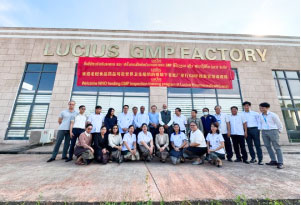
Lucius Pharmaceuticals (Lao) LTD. (Lucius Pharmaceuticals), with its manufacturing campus in Laos located in the capital city of Vientiane in 2020, officially begins its great journey to make effective and affordable medicines available to people in need around the world...More

Lucius Pharmaceutical Co., Ltd., was established in 2020 in Vientiane, the capital of Laos. It aims to offer safe, effective, and affordable medicines globally. With a factory spanning 25,000 square meters, the company manufactures 200+ generic drugs in diverse therapeutic fields.
Address: No.26 Thongmang village, Xaythany district, Vientiane Capital, Laos
E-mail:laoslucius@gmail.com

Name: Lucius

Telegram name: Vira
No.:0085253923643
Telegram name: Vira
No.:0085253923643