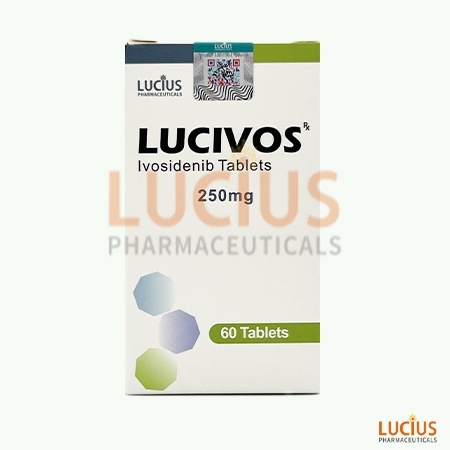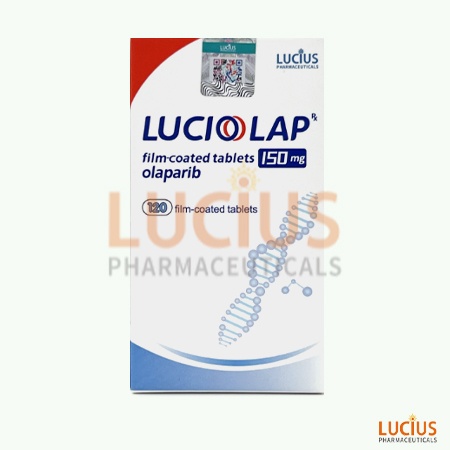
Your Health, We Care
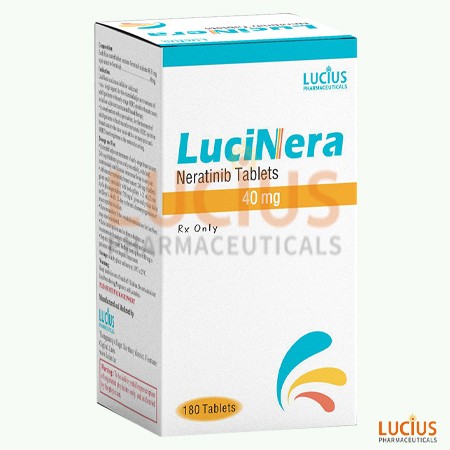
Severe diarrhea and its sequelae, such as dehydration, hypotension, and renal failure, have occurred during treatment with neratinib. In ExteNET, a randomized, placebo-controlled trial conducted in the extended adjuvant setting where anti-diarrheal prophylaxis was not required, diarrhea was reported in 95% of patients receiving neratinib. In the neratinib group, the incidence of Grade 3 diarrhea was 40% and Grade 4 diarrhea was 0.1%. The majority of patients (93%) developed diarrhea within the first month of treatment. The median time to first occurrence of Grade ≥3 diarrhea was 8 days (range: 1–350 days), and the median cumulative duration of Grade ≥3 diarrhea was 5 days (range: 1–139 days).
In NALA, a randomized, placebo-controlled trial conducted in the metastatic breast cancer setting where anti-diarrheal prophylaxis was required during the first 21-day cycle, diarrhea was reported in 83% of patients treated with neratinib in combination with capecitabine. The majority of patients (70%) developed diarrhea within the first 21 days of treatment. The median time to first occurrence of Grade ≥3 diarrhea was 11 days (range: 2–728 days), and the median cumulative duration of Grade ≥3 diarrhea was 3 days (range: 1–21 days). In the neratinib plus capecitabine group, the incidence of Grade 3 diarrhea was 24%.
Anti-diarrheal prophylaxis has been shown to reduce the incidence and severity of diarrhea. Instruct patients to initiate loperamide for anti-diarrheal prophylaxis at the first dose of neratinib and continue for the first 56 days of treatment; after Day 56, adjust the dosage to achieve 1–2 bowel movements per day, with a maximum daily loperamide dose not exceeding 16 mg. Consider adding other agents to loperamide based on clinical judgment.
Alternatively, a 2-week neratinib dose escalation approach may be considered prior to initiating the recommended neratinib dosing regimen for diarrhea management. For patients receiving neratinib dose escalation, the median time to first occurrence of Grade ≥3 diarrhea was 45 days (range: 15–132 days), and the median cumulative duration of Grade ≥3 diarrhea was 2.5 days (range: 1–6 days). The incidence of Grade 3 diarrhea was 13% in patients receiving neratinib dose escalation.
Monitor patients for diarrhea and treat with additional anti-diarrheal agents as needed. For severe diarrhea accompanied by dehydration, administer fluid replacement and electrolytes as indicated, interrupt neratinib treatment, and reduce the subsequent dose. Perform stool cultures as clinically indicated to rule out infectious causes for Grade 3 or 4 diarrhea or diarrhea of any grade with complicated features (dehydration, fever, neutropenia).
Neratinib is associated with hepatotoxicity characterized by elevations in liver enzymes. In the ExteNET trial, 10% of patients experienced alanine aminotransferase (ALT) elevations ≥2 times the upper limit of normal (ULN), 5% experienced aspartate aminotransferase (AST) elevations ≥2 times ULN, and 1.7% experienced AST or ALT elevations >5 times ULN (Grade ≥3). Hepatotoxicity or elevated liver transaminases led to treatment discontinuation in 1.7% of patients receiving neratinib.
In the NALA study, among patients treated with neratinib plus capecitabine, 7% experienced ALT or AST elevations >3 times ULN, 2% experienced ALT or AST elevations >5 times ULN, 7% experienced bilirubin elevations >1.5 times ULN, and 1.3% experienced bilirubin elevations >3 times ULN. Hepatotoxicity or elevated liver transaminases led to treatment discontinuation in 0.3% of patients receiving neratinib plus capecitabine.
Monitor total bilirubin, AST, ALT, and alkaline phosphatase prior to initiating neratinib treatment, monthly for the first 3 months of treatment, every 3 months thereafter, and as clinically indicated. These tests should also be performed in patients who develop Grade 3 diarrhea or any signs or symptoms of hepatotoxicity (e.g., worsening fatigue, nausea, vomiting, right upper quadrant tenderness, fever, rash, or eosinophilia).
Based on findings from animal studies and its mechanism of action, neratinib may cause fetal harm when administered to pregnant women. In animal reproductive studies, administration of neratinib to pregnant rabbits during organogenesis resulted in abortion, embryo-fetal death, and fetal abnormalities at a maternal AUC approximately 0.2 times that in patients receiving the recommended dose. Advise pregnant women of the potential risk to the fetus. Advise females of reproductive potential to use effective contraception during treatment with neratinib and for at least 1 month after the last dose.
FDA,2021.06

Lucius Pharmaceuticals (Lao) LTD. (Lucius Pharmaceuticals), with its manufacturing campus in Laos located in the capital city of Vientiane in 2020, officially begins its great journey to make effective and affordable medicines available to people in need around the world...More

Lucius Pharmaceutical Co., Ltd., was established in 2020 in Vientiane, the capital of Laos. It aims to offer safe, effective, and affordable medicines globally. With a factory spanning 25,000 square meters, the company manufactures 200+ generic drugs in diverse therapeutic fields.
Address:No.26 Thongmang village, Xaythany district, Vientiane Capital, Laos
E-mail:laoslucius@gmail.com
Whatsapp: