Your Health, We Care
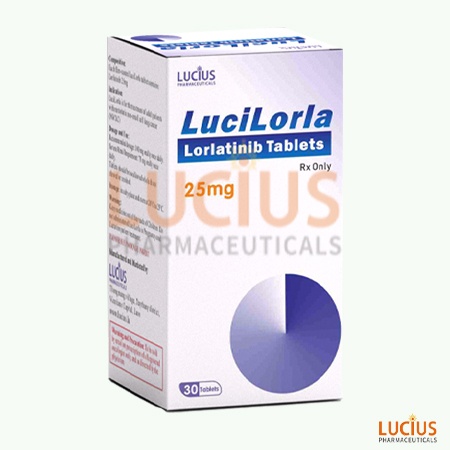
Lorlatinib was evaluated in a clinical trial. The U.S. Food and Drug Administration (FDA) approved lorlatinib for newly diagnosed patients based on an analysis of this trial at a median follow-up of 18 months. Below are the key findings of the study. Patients in the trial received one of two medications: lorlatinib or crizotinib, another agent indicated for the treatment of ALK-positive non-small cell lung cancer (NSCLC).
A total of 296 patients with ALK-positive metastatic NSCLC were randomized into two groups. 149 patients received lorlatinib at a dose of 100 mg orally once daily, while 147 patients were administered crizotinib at a dose of 250 mg orally twice daily.
At enrollment, all patients were newly diagnosed with ALK-positive NSCLC that had metastasized to other parts of the body.
The study included patients with and without brain metastases.
None of the patients had received prior treatment for metastatic NSCLC.
The primary endpoint of the study was progression-free survival (PFS).
PFS outcomes were analyzed at a median follow-up of 18 months. At this time point, lorlatinib reduced the risk of tumor growth by 72% compared with crizotinib.
At the 18-month follow-up analysis, more than half of the patients treated with lorlatinib remained free of tumor progression, meaning the median PFS for the lorlatinib group was not reached. In contrast, the median time to cancer progression for patients on crizotinib was 9 months.
Further follow-up is required to determine whether patients treated with lorlatinib have longer overall survival compared with those receiving crizotinib.
Overall response rate (ORR) was also assessed at the 18-month median follow-up analysis. ORR measures the tumor's response to treatment, including the shrinkage or disappearance of tumors throughout the body, including the brain. 76% of patients experienced tumor shrinkage or disappearance during lorlatinib treatment.
In this clinical trial of newly diagnosed patients, 76% of patients treated with lorlatinib achieved tumor shrinkage or disappearance, versus 58% of patients on crizotinib.
3% of lorlatinib recipients achieved a complete response, defined as the disappearance of all signs of cancer. It should be noted that a complete response does not equate to a cure. No patients in the crizotinib group achieved a complete response.
73% of lorlatinib-treated patients had partial responses (tumor shrinkage), compared with 58% of crizotinib recipients.
In the lorlatinib group, 70% of patients had responses that lasted 12 months or longer, whereas only 27% of patients in the crizotinib group maintained responses for 12 months or more.
At the start of the clinical trial, 30 patients had measurable brain tumors, with 17 receiving lorlatinib and 13 receiving crizotinib.
Among newly diagnosed patients with measurable brain metastases, 82% of those treated with lorlatinib experienced brain tumor shrinkage or disappearance, compared with 23% of patients on crizotinib.
Of the 17 patients treated with lorlatinib, 12 (71%) achieved a complete response of brain metastases (disappearance of tumors), and 2 (12%) had a partial response (tumor shrinkage). Again, a complete response does not indicate a cure.
In the crizotinib group (13 patients), 1 (8%) achieved a complete response of brain metastases, and 2 (15%) had a partial response.
Responses lasted 12 months or longer in 79% of lorlatinib-treated patients with brain metastases, compared with 0% of patients in the crizotinib group.
Patients in the clinical trial are still under monitoring, with ongoing data collection and evaluation. A subsequent analysis was conducted after a median follow-up of 5 years when additional data became available.
Primary analysis: Median follow-up of 18 months
Exploratory follow-up analysis: Median follow-up of 5 years
This exploratory analysis was performed at a median follow-up of 5 years and was not designed to specifically investigate the direct differences between lorlatinib and crizotinib. Unlike the primary analysis, these data were not subject to additional independent review and were not used to support the FDA approval of lorlatinib. The exploratory analysis of 5-year follow-up data was evaluated by scientists, medical professionals and researchers, with the following observations:
At 5 years, 60% of lorlatinib recipients remained free of tumor progression, so the median PFS (the time point at which 50% of patients have progressed) was still not reached.
In contrast, only 8% of crizotinib-treated patients were progression-free at 5 years.
At 5 years, lorlatinib reduced the risk of tumor growth by 81% compared with crizotinib.
No new safety concerns were identified in this follow-up analysis. The adverse events observed in patients were consistent between the primary analysis and the 5-year median follow-up analysis.
FDA,2021.03
While exerting the intended therapeutic effects, a medication may also induce certain adverse reacti···【more】
Recommended:622026-26-01
In addition to the intended effects, medications may cause some adverse reactions. Although not all ···【more】
Recommended:542026-26-01
While exerting the intended therapeutic effects, a medication may also induce certain adverse reactions. Although not all side effects will occur, medical attention may be required···【more】
Article source:Lucius LaosRelease date:2026-01-26Recommended:62
In addition to the intended effects, medications may cause some adverse reactions. Although not all of these side effects may occur, medical attention may be required if they do ap···【more】
Article source:Lucius LaosRelease date:2026-01-26Recommended:54
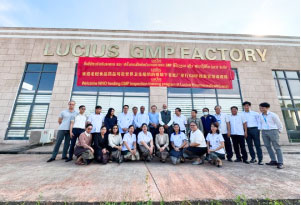
Lucius Pharmaceuticals (Lao) LTD. (Lucius Pharmaceuticals), with its manufacturing campus in Laos located in the capital city of Vientiane in 2020, officially begins its great journey to make effective and affordable medicines available to people in need around the world...More

Lucius Pharmaceutical Co., Ltd., was established in 2020 in Vientiane, the capital of Laos. It aims to offer safe, effective, and affordable medicines globally. With a factory spanning 25,000 square meters, the company manufactures 200+ generic drugs in diverse therapeutic fields.
Address:No.26 Thongmang village, Xaythany district, Vientiane Capital, Laos
E-mail:laoslucius@gmail.com
Whatsapp: