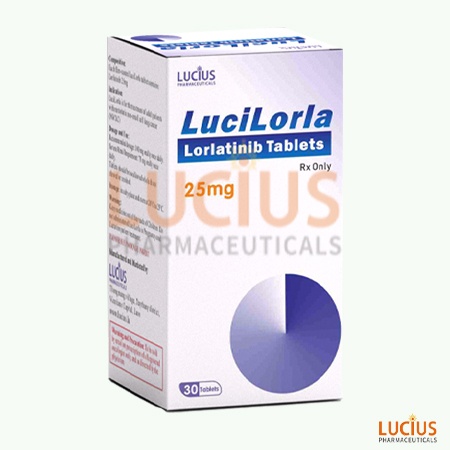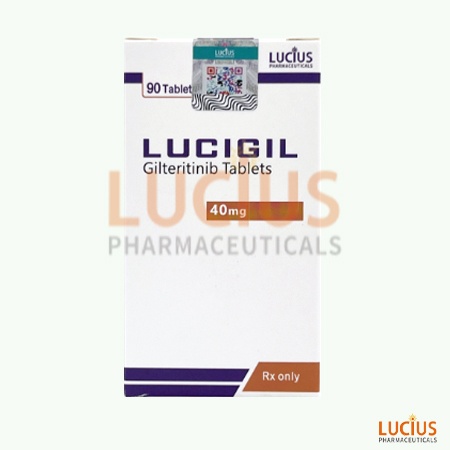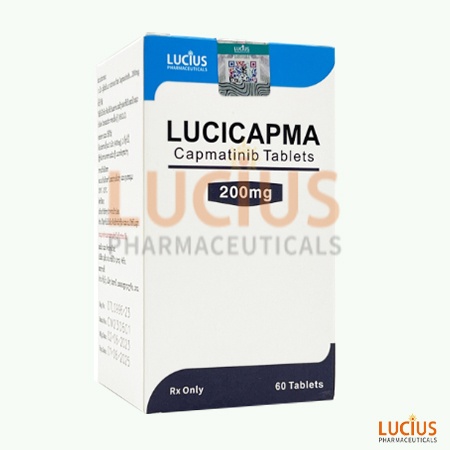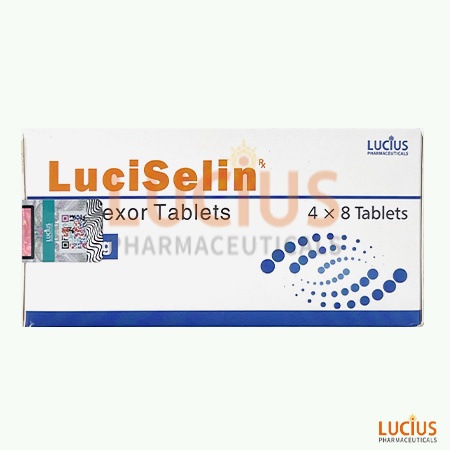
Your Health, We Care
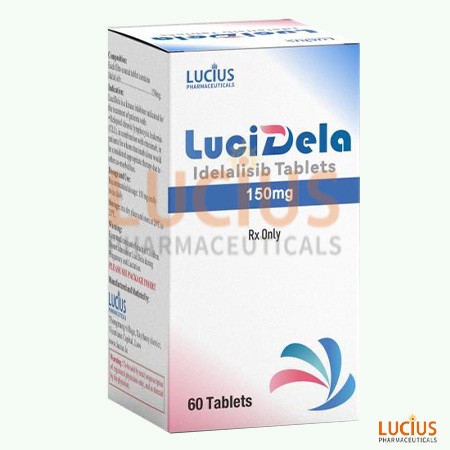
Fatal and/or severe hepatotoxicity occurred in 16% of patients treated with idelalisib in combination with rituximab or unapproved combination therapies. Elevations in ALT or AST greater than 5 times the upper limit of normal (ULN) have been reported. These findings typically occur within the first 12 weeks of treatment and can be reversed with dose interruption. Recurrence of ALT and AST elevations was observed in 26% of patients after resuming treatment at a lower dose. Discontinue idelalisib for recurrent hepatotoxicity.
Avoid concomitant use of idelalisib with other medications that may cause hepatotoxicity.
Monitor ALT and AST every 2 weeks for the first 3 months in all patients, then every 4 weeks for the next 3 months, and thereafter every 1 to 3 months. If ALT or AST elevations exceed 3 times the ULN, monitor for hepatotoxicity weekly until resolution. If ALT or AST is greater than 5 times the ULN, suspend idelalisib and continue weekly monitoring of AST, ALT, and total bilirubin until abnormalities resolve.
Severe diarrhea or colitis occurred in 20% of patients treated with idelalisib in combination with rituximab or unapproved combination therapies. Diarrhea can occur at any time. Avoid concomitant use of idelalisib with other medications that cause diarrhea. Diarrhea induced by idelalisib responds poorly to antidiarrheal agents. Across trials, the median time to resolution was between 1 week and 1 month following interruption of idelalisib treatment and, in some cases, administration of corticosteroids.
Fatal and severe pneumonitis has occurred in patients receiving idelalisib. Clinical manifestations include interstitial infiltrates and organizing pneumonia. In randomized clinical trials of combination therapy, pneumonitis occurred in 4% of patients receiving idelalisib compared to 1% of patients in the control group. The time to onset of pneumonitis ranged from less than 1 month to 15 months. Monitor patients receiving idelalisib for pulmonary symptoms. For patients taking idelalisib who develop pulmonary symptoms such as cough, dyspnea, hypoxemia, interstitial infiltrates on imaging, or a greater than 5% decrease in oxygen saturation, interrupt idelalisib until the etiology is established.
If symptomatic pneumonitis or organizing pneumonia is diagnosed, initiate appropriate corticosteroid therapy and permanently discontinue idelalisib.
Fatal and/or severe infections occurred in 48% of patients treated with idelalisib in combination with rituximab or unapproved combination therapies. The most common infections were pneumonia, sepsis, and febrile neutropenia. Treat infections prior to initiating idelalisib. Monitor patients receiving idelalisib for signs and symptoms of infection, and interrupt idelalisib for grade 3 or higher infections.
Severe or fatal Pneumocystis jirovecii pneumonia (PJP) or cytomegalovirus (CMV) infections occurred in less than 1% of patients receiving idelalisib. Provide PJP prophylaxis during idelalisib treatment. Interrupt idelalisib if PJP is suspected at any grade, and permanently discontinue idelalisib if PJP is confirmed at any grade. Patients with a history of CMV infection or who are CMV-seropositive at the start of idelalisib treatment are recommended to undergo regular clinical and laboratory monitoring for CMV infection. Interrupt idelalisib if CMV PCR or antigen testing is positive until viremia resolves. If idelalisib is subsequently resumed, monitor patients for CMV reactivation at least monthly via PCR or antigen testing.
Fatal and severe intestinal perforation has occurred in patients receiving idelalisib. Some patients had moderate to severe diarrhea at the time of perforation. Advise patients to immediately report any new or worsening abdominal pain, chills, fever, nausea, or vomiting. Permanently discontinue idelalisib in patients who experience intestinal perforation.
Fatal cases of Stevens-Johnson syndrome (SJS) and toxic epidermal necrolysis (TEN) have occurred in patients receiving idelalisib. Cases of drug reaction with eosinophilia and systemic symptoms (DRESS) have also been reported. Idelalisib is contraindicated in patients with a history of TEN. If SJS, TEN, or DRESS is suspected, interrupt idelalisib until the cause of the reaction is determined. Permanently discontinue idelalisib if SJS, TEN, or DRESS is confirmed.
Other severe or life-threatening cutaneous reactions have been reported in patients receiving idelalisib, including exfoliative dermatitis, rash, erythematous rash, generalized rash, macular rash, maculopapular rash, papular rash, pruritic rash, exfoliative rash, and skin disorders. Monitor patients for other severe or life-threatening cutaneous reactions and permanently discontinue idelalisib if they occur.
Severe hypersensitivity reactions, including anaphylaxis, have been reported in patients receiving idelalisib. Idelalisib is contraindicated in patients with a history of severe hypersensitivity to idelalisib. In patients who develop severe hypersensitivity reactions, permanently discontinue idelalisib and institute appropriate supportive measures.
Grade 3 or 4 neutropenia occurred in 58% of patients treated with idelalisib in combination with rituximab or unapproved combination therapies. Monitor blood cell counts at least every 2 weeks for the first 6 months of treatment, and at least weekly for patients with a neutrophil count less than 1.0 Gi/L. Interrupt idelalisib until recovery, then resume treatment at a reduced dose.
Based on findings in animals and its mechanism of action, idelalisib can cause fetal harm when administered to pregnant women. In animal reproductive studies, administration of idelalisib to pregnant rats during organogenesis resulted in decreased fetal body weight and congenital malformations at systemic exposures 12 times the exposures reported in patients at the recommended dose of 150 mg twice daily.
Inform pregnant women of the potential risk to the fetus. Advise females of reproductive potential to use effective contraception during treatment with idelalisib and for 1 month after the last dose.
FDA,2022.02

Lucius Pharmaceuticals (Lao) LTD. (Lucius Pharmaceuticals), with its manufacturing campus in Laos located in the capital city of Vientiane in 2020, officially begins its great journey to make effective and affordable medicines available to people in need around the world...More

Lucius Pharmaceutical Co., Ltd., was established in 2020 in Vientiane, the capital of Laos. It aims to offer safe, effective, and affordable medicines globally. With a factory spanning 25,000 square meters, the company manufactures 200+ generic drugs in diverse therapeutic fields.
Address:No.26 Thongmang village, Xaythany district, Vientiane Capital, Laos
E-mail:laoslucius@gmail.com
Whatsapp: