Your Health, We Care
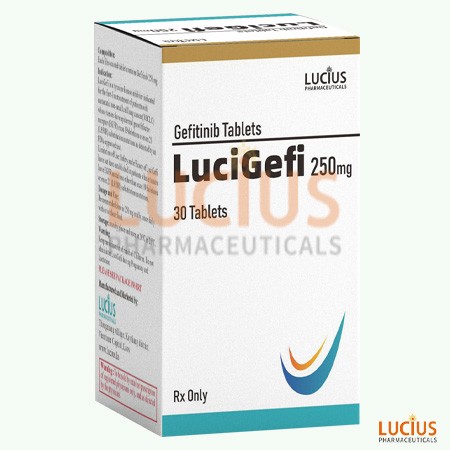
Among 2,462 patients treated with gefitinib in clinical trials, 1.3% developed ILD or ILD-like adverse reactions (e.g., pulmonary infiltration, pneumonia, acute respiratory distress syndrome, or pulmonary fibrosis); 0.7% of these were grade 3 or higher, and 3 cases were fatal.
For any patient with worsening respiratory symptoms (such as dyspnea, cough, and fever), gefitinib should be suspended and an immediate investigation for ILD initiated. If ILD is confirmed, permanent discontinuation of gefitinib is required.
In patients treated with gefitinib in clinical trials, 11.4% had elevated alanine aminotransferase (ALT), 7.9% had elevated aspartate aminotransferase (AST), and 2.7% had elevated bilirubin. Grade 3 or higher liver test abnormalities occurred in 5.1% (ALT), 3.0% (AST), and 0.7% (bilirubin) of patients. The incidence of fatal hepatotoxicity was 0.04%.
Perform regular liver function tests. For patients with worsening liver function, suspend gefitinib; for those with severe hepatic impairment, permanently discontinue gefitinib.
Three patients (0.1%) out of 2,462 treated with gefitinib in clinical trials developed gastrointestinal perforation. Patients who experience gastrointestinal perforation should have permanent discontinuation of gefitinib.
Grade 3 or 4 diarrhea occurred in 3% of the 2,462 patients treated with gefitinib. For severe or persistent (lasting up to 14 days) diarrhea, suspend gefitinib.
Ocular disorders occurred in 2,462 patients treated with gefitinib [keratitis (0.1%), corneal erosion and abnormal eyelash growth (0.2%), conjunctivitis, blepharitis, and dry eye (6.7%)]. The incidence of grade 3 ocular disorders was 0.1%. For severe or worsening ocular disorders, interrupt or discontinue gefitinib.
Reports have been received of bullous disorders, including toxic epidermal necrolysis, Stevens-Johnson syndrome, and erythema multiforme, in patients receiving gefitinib. In NSCLC trials (Studies 2, 3, and 4), 2 patients (0.08%) were reported to have erythema multiforme and bullous dermatitis.
Based on its mechanism of action and data from animal reproductive studies, gefitinib may cause fetal harm when administered to pregnant women. In animal reproductive studies, oral administration of gefitinib from organogenesis through weaning resulted in fetal toxicity and neonatal death at doses below the recommended human dose. Inform pregnant women of the potential risk to the fetus. Advise females of reproductive potential to use effective contraception during gefitinib treatment and for at least two weeks after completion of treatment.
FDA,2021.05

Lucius Pharmaceuticals (Lao) LTD. (Lucius Pharmaceuticals), with its manufacturing campus in Laos located in the capital city of Vientiane in 2020, officially begins its great journey to make effective and affordable medicines available to people in need around the world...More

Lucius Pharmaceutical Co., Ltd., was established in 2020 in Vientiane, the capital of Laos. It aims to offer safe, effective, and affordable medicines globally. With a factory spanning 25,000 square meters, the company manufactures 200+ generic drugs in diverse therapeutic fields.
Address:No.26 Thongmang village, Xaythany district, Vientiane Capital, Laos
E-mail:laoslucius@gmail.com
Whatsapp: