Your Health, We Care
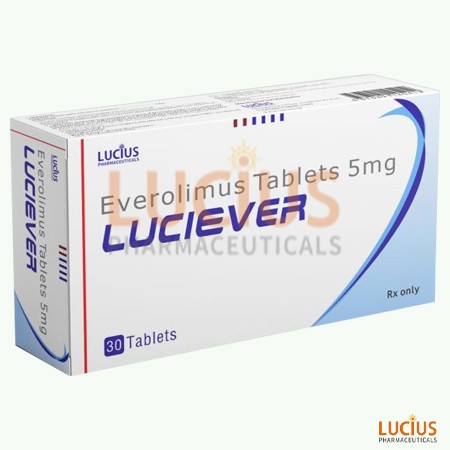
Breast Cancer (BOLERO-2 Study)
Most common (≥30%) adverse reactions: Stomatitis, infection, rash, fatigue, diarrhea, decreased appetite.
Most common (≥2%) Grade 3-4 adverse reactions: Stomatitis, infection, hyperglycemia, fatigue, dyspnea, pneumonia, diarrhea.
Most common (≥50%) laboratory abnormalities: Hypercholesterolemia, hyperglycemia, elevated AST, anemia, leukopenia, thrombocytopenia, lymphopenia, elevated ALT, hypertriglyceridemia.
Permanent discontinuation rate: 24%; Dose adjustment rate: 63%.
Pancreatic Neuroendocrine Tumors (RADIANT-3 Study)
Most common (≥30%) adverse reactions: Stomatitis, rash, diarrhea, fatigue, edema, abdominal pain, nausea, fever, headache.
Most common (≥5%) Grade 3-4 adverse reactions: Stomatitis, diarrhea.
Permanent discontinuation rate: 20%; Dose delay or reduction rate: 61%.
Gastrointestinal or Pulmonary Neuroendocrine Tumors (RADIANT-4 Study)
Common adverse reactions (incidence ≥10% with absolute incidence ≥5% higher than placebo, or Grade 3-4 incidence ≥2% higher than placebo): Stomatitis, diarrhea, nausea, vomiting, peripheral edema, fatigue, asthenia, fever, infection, weight loss, decreased appetite, dysgeusia, cough, dyspnea, pneumonia, epistaxis, rash, pruritus.
Permanent discontinuation rate: 29%; Dose reduction or delay rate: 70%.
Renal Cell Carcinoma (RECORD-1 Study)
Most common (≥30%) adverse reactions: Stomatitis, infection, asthenia, fatigue, cough, diarrhea.
Permanent discontinuation rate: 14%.
TSC-Associated Renal Angiomyolipoma (EXIST-2 Study)
Most common (≥30%) adverse reaction: Stomatitis.
Permanent discontinuation rate: 3.8%; Dose adjustment rate: 52%.
TSC-Associated Subependymal Giant Cell Astrocytoma (SEGA) (EXIST-1 Study)
Most common (≥30%) adverse reactions: Stomatitis, respiratory tract infection.
Permanent discontinuation: None; Dose adjustment rate: 55%.
TSC-Associated Partial Seizures (EXIST-3 Study)
Most common (≥30%) adverse reaction: Stomatitis.
Study drug discontinuation rate: 5% (low trough concentration group), 3% (high trough concentration group); Dose adjustment rate: 24% (low trough concentration group), 35% (high trough concentration group).
Local Prevention of Stomatitis (SWISH Study)
Concurrent use of alcohol-free dexamethasone mouthwash at treatment initiation reduced the incidence of Grade 2-4 stomatitis from 33% (in BOLERO-2) to 2% within 8 weeks.
Voluntarily reported adverse reactions include: Thrombotic microangiopathy, heart failure with pulmonary hypertension, acute pancreatitis, cholecystitis and cholelithiasis, sepsis and septic shock, reflex sympathetic dystrophy, arterial thrombotic events, lymphedema, radiation sensitization, and radiation recall.
FDA,2022.02
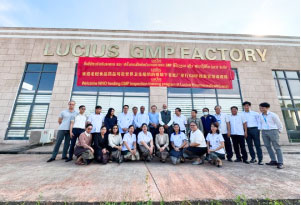
Lucius Pharmaceuticals (Lao) LTD. (Lucius Pharmaceuticals), with its manufacturing campus in Laos located in the capital city of Vientiane in 2020, officially begins its great journey to make effective and affordable medicines available to people in need around the world...More

Lucius Pharmaceutical Co., Ltd., was established in 2020 in Vientiane, the capital of Laos. It aims to offer safe, effective, and affordable medicines globally. With a factory spanning 25,000 square meters, the company manufactures 200+ generic drugs in diverse therapeutic fields.
Address:No.26 Thongmang village, Xaythany district, Vientiane Capital, Laos
E-mail:laoslucius@gmail.com
Whatsapp: