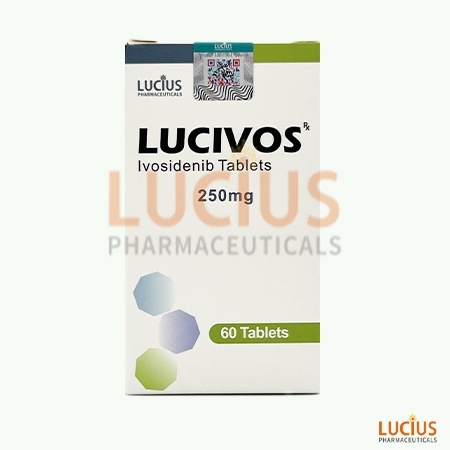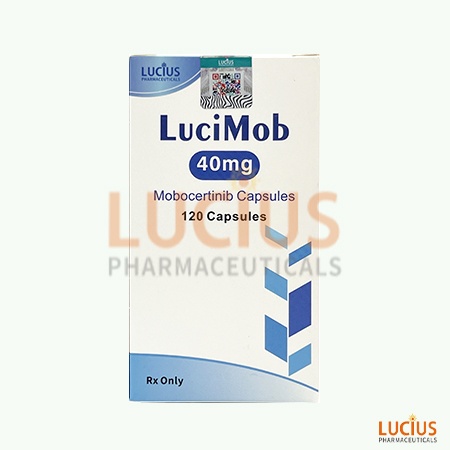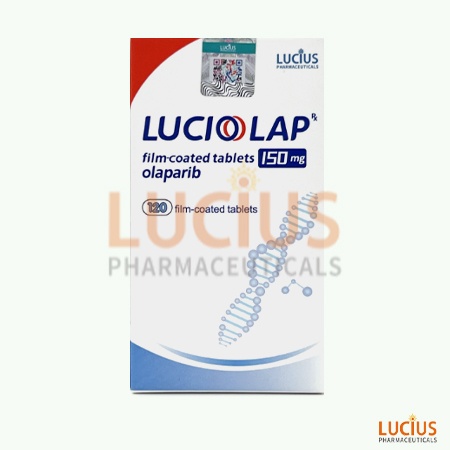
Your Health, We Care
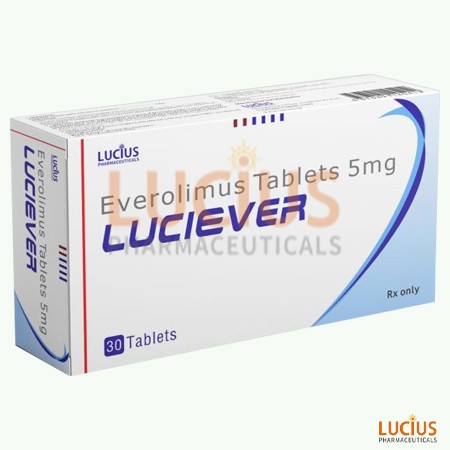
A class effect of rapamycin derivatives. The incidence in clinical trials was up to 19%, with severe (Grade 3-4) incidence up to 4.2%, including fatal cases. Monitor for symptoms and perform differential diagnosis. Asymptomatic radiological changes do not require treatment interruption. For Grade 2-4 pneumonitis, suspend or permanently discontinue the drug; corticosteroids may be used.
Has immunosuppressive effects and may increase the risk of bacterial, fungal, viral, or protozoal infections, including opportunistic infections. Severe or fatal infections (e.g., sepsis) have been reported. The incidence of Grade 3-4 infections is up to 10%. Severe infections occur more frequently in children <6 years old. Treat existing invasive fungal infections before initiation of therapy. Monitor for signs of infection and suspend or permanently discontinue the drug based on severity.
Severe Hypersensitivity Reactions:Including anaphylaxis, dyspnea, flushing, chest pain, and angioedema. The incidence of Grade 3 reactions is up to 1%. Permanently discontinue the drug in case of clinically significant hypersensitivity reactions.
Angioedema Associated with Concomitant Use of ACE Inhibitors:Patients receiving concurrent ACE inhibitors have an increased risk of angioedema (6.8% in everolimus + ACEI group vs. 1.3% in control + ACEI group). Permanently discontinue the drug if angioedema occurs.
Stomatitis:Incidence ranges from 44% to 78%, with Grade 3-4 incidence of 4% to 9%. Most cases occur within the first 8 weeks of treatment. It is recommended to use alcohol-free dexamethasone oral solution as a mouthwash (swish and spit) at the start of treatment to reduce incidence and severity. For stomatitis, mouthwashes and/or other local treatments are recommended. Avoid products containing alcohol, hydrogen peroxide, iodine, or thyme. Do not use antifungal agents unless fungal infection is confirmed.
Cases of renal failure (including acute renal failure) have been reported, some fatal. Inincreases in serum creatinine and proteinuria have also been documented. Assess renal function before treatment and periodically thereafter (at least annually); monitor every 6 months in patients with additional risk factors.
May adversely affect wound healing. Discontinue the drug at least 1 week before elective surgery. Do not administer the drug for at least 2 weeks after major surgery and until the wound is fully healed. The safety of resuming treatment after resolution of wound healing complications has not been established.
In breast cancer studies, all-cause mortality within 28 days of treatment discontinuation (6%) and permanent discontinuation due to adverse reactions (33%) were higher in patients ≥65 years old than in those <65 years old (2% and 17%, respectively). Closely monitor and adjust dosage as appropriate.
The incidences of hyperglycemia, hypercholesterolemia, and hypertriglyceridemia are up to 75%, 86%, and 73%, respectively. Grade 3-4 laboratory abnormalities are up to 15% (hyperglycemia) and 0.4% (hypercholesterolemia/hypertriglyceridemia). Monitor fasting blood glucose and lipid profiles before treatment and periodically thereafter. Suspend or permanently discontinue the drug based on severity.
Anemia, lymphopenia, neutropenia, and thrombocytopenia have been reported. Grade 3-4 laboratory abnormalities are up to 16% (anemia/lymphopenia) and 2% (neutropenia/thrombocytopenia). Monitor complete blood count before treatment, every 6 months during the first year of treatment, and annually thereafter. Suspend or permanently discontinue the drug based on severity.
Risk of Infection or Reduced Immune Response from Vaccination:The safety of administering live vaccines during treatment has not been studied. Avoid live vaccines and close contact with individuals recently vaccinated with live vaccines. Complete the recommended childhood vaccination series according to guidelines before treatment.
Radiation sensitization and recall reactions have been reported, sometimes severe, involving skin and internal organs. Closely monitor patients during radiation therapy or sequential administration.
Based on animal studies and its mechanism of action, administration to pregnant women may cause fetal harm. Embryo-fetal toxicity was observed in animal studies at exposures below the clinical exposure in humans. Inform pregnant women of the potential risk to the fetus. Advise females and males of reproductive potential to use effective contraception during treatment and after the last dose (8 weeks for females, 4 weeks for males).
FDA,2022.02

Lucius Pharmaceuticals (Lao) LTD. (Lucius Pharmaceuticals), with its manufacturing campus in Laos located in the capital city of Vientiane in 2020, officially begins its great journey to make effective and affordable medicines available to people in need around the world...More

Lucius Pharmaceutical Co., Ltd., was established in 2020 in Vientiane, the capital of Laos. It aims to offer safe, effective, and affordable medicines globally. With a factory spanning 25,000 square meters, the company manufactures 200+ generic drugs in diverse therapeutic fields.
Address:No.26 Thongmang village, Xaythany district, Vientiane Capital, Laos
E-mail:laoslucius@gmail.com
Whatsapp: