Your Health, We Care
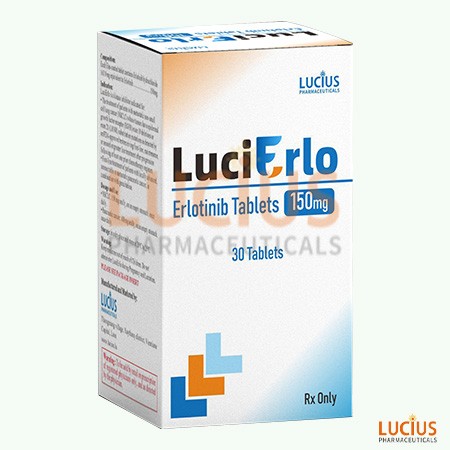
Severe cases of ILD, including fatal ones, may occur in patients receiving
erlotinib treatment. Among approximately 32,000 patients treated with erlotinib
(from uncontrolled studies and concurrent chemotherapy studies), the overall
incidence of ILD was approximately 1.1%. In patients who developed ILD, symptom
onset ranged from 5 days to more than 9 months after initiating erlotinib
treatment (median time: 39 days).
Suspend erlotinib and await diagnostic evaluation in patients with acute
onset of new or progressive unexplained pulmonary symptoms (e.g., dyspnea,
cough, and fever). Permanently discontinue erlotinib if ILD is confirmed.
Hepatorenal syndrome, severe acute renal failure (including
fatal cases), and renal impairment may occur in patients receiving erlotinib
treatment. Renal failure may be caused by exacerbation of underlying hepatic
impairment or severe dehydration. In 3 monotherapy studies for lung cancer, the
incidence of severe renal impairment was 0.5% in the erlotinib group and 0.8% in
the control group. In pancreatic cancer studies, the incidence of renal
impairment was 1.4% in the erlotinib plus gemcitabine group and 0.4% in the
control group. For patients with severe renal impairment, suspend erlotinib
until renal toxicity resolves. Periodically monitor renal function and serum
electrolytes during erlotinib treatment.
Liver failure and
hepatorenal syndrome, including fatal cases, may occur in patients with normal
baseline liver function receiving erlotinib; patients with baseline hepatic
impairment are at increased risk of hepatotoxicity. In clinical studies
excluding patients with moderate to severe hepatic impairment, the incidence of
liver failure was 0.4% in the erlotinib group and 0% in the control group across
3 monotherapy studies for lung cancer. In pancreatic cancer studies, the
incidence of liver failure was 0.4% in both the erlotinib plus gemcitabine group
and the control group. In a pharmacokinetic study of 15 patients with moderate
hepatic impairment (Child-Pugh Class B) and significant hepatic tumor burden, 10
of these 15 patients died within 30 days after the last dose of erlotinib. One
patient died of hepatorenal syndrome, 1 patient died of rapidly progressive
liver failure, and the remaining 8 patients died of disease progression. Six of
the 10 deceased patients had baseline total bilirubin greater than 3 times the
upper limit of normal (ULN).
Periodically perform liver function tests (transaminases, bilirubin, and
alkaline phosphatase) during erlotinib treatment. For patients with pre-existing
hepatic impairment or biliary obstruction, increase the frequency of liver
function monitoring. For patients without prior hepatic impairment, suspend
erlotinib if total bilirubin levels exceed 3 times the ULN or transaminases
exceed 5 times the ULN. For patients with pre-existing hepatic impairment or
biliary obstruction, suspend erlotinib if bilirubin doubles or transaminase
levels increase threefold from baseline. Discontinue erlotinib in patients with
liver function test abnormalities meeting the above criteria that do not improve
or resolve significantly within 3 weeks.
Gastrointestinal perforation, including fatal
cases, may occur in patients receiving erlotinib treatment. The risk of
perforation may be increased in patients concurrently receiving antiangiogenic
agents, corticosteroids, nonsteroidal anti-inflammatory drugs (NSAIDs), or
taxane-based chemotherapy, or those with a prior history of peptic ulcers or
diverticular disease. In 3 monotherapy studies for lung cancer, the incidence of
gastrointestinal perforation was 0.2% in the erlotinib group and 0.1% in the
control group. In pancreatic cancer studies, the incidence of gastrointestinal
perforation was 0.4% in the erlotinib plus gemcitabine group and 0% in the
control group. Permanently discontinue erlotinib in patients with
gastrointestinal perforation.
Bullous, blistering, and exfoliative
skin disorders, including cases suggestive of Stevens-Johnson Syndrome/Toxic
Epidermal Necrolysis (SJS/TEN), some of which are fatal, may occur in patients
receiving erlotinib treatment. In 3 monotherapy studies for lung cancer, the
incidence of bullous and exfoliative skin disorders was 1.2% in the erlotinib
group and 0% in the control group. In pancreatic cancer studies, the incidence
of bullous and exfoliative skin disorders was 0.4% in the erlotinib plus
gemcitabine group and 0% in the control group. Discontinue erlotinib treatment
in patients with severe bullous, blistering, or exfoliative lesions.
Cerebrovascular AccidentIn pancreatic cancer trials, 7 patients in the
erlotinib/gemcitabine group experienced a cerebrovascular accident (incidence:
2.5%). One case was hemorrhagic and the only fatal event. In contrast, no
cerebrovascular accidents occurred in the placebo/gemcitabine group. In 3
monotherapy studies for lung cancer, the incidence of cerebrovascular accidents
was 0.6% in the erlotinib group, which was not higher than that in the control
group.
Thrombotic Microangiopathic Hemolytic Anemia with ThrombocytopeniaIn 3
monotherapy studies for lung cancer, the incidence of thrombotic
microangiopathic hemolytic anemia with thrombocytopenia was 0% in the erlotinib
group and 0.1% in the control group. In pancreatic cancer studies, the incidence
of this adverse event was 1.4% in the erlotinib plus gemcitabine group and 0% in
the control group.
Decreased tear production, abnormal eyelash growth, dry
keratoconjunctivitis, or keratitis may occur in patients receiving erlotinib
treatment, which may lead to corneal perforation or ulceration. In 3 monotherapy
studies for lung cancer, the incidence of ocular disorders was 17.8% in the
erlotinib group and 4% in the control group. In pancreatic cancer studies, the
incidence of ocular disorders was 12.8% in the erlotinib plus gemcitabine group
and 11.4% in the control group. Interrupt or discontinue erlotinib treatment in
patients with acute or worsening ocular disorders (e.g., eye pain).
Severe and fatal bleeding associated with
elevated International Normalized Ratio (INR) may occur when erlotinib is
administered concurrently with warfarin. For patients taking warfarin or other
coumarin-derived anticoagulants, periodically monitor prothrombin time and INR
during erlotinib treatment.
Based on animal data and its mechanism of action,
erlotinib may cause fetal harm when administered to pregnant women. When
administered during organogenesis, erlotinib resulted in embryo-fetal lethality
and abortion in rabbits at exposures approximately 3 times the exposure from the
recommended human daily dose of 150 mg. Inform pregnant women of the potential
risk to the fetus.
Advise females of reproductive potential to use effective contraception
during treatment and for 1 month after the last dose of erlotinib.
FDA,2016.10

Lucius Pharmaceuticals (Lao) LTD. (Lucius Pharmaceuticals), with its manufacturing campus in Laos located in the capital city of Vientiane in 2020, officially begins its great journey to make effective and affordable medicines available to people in need around the world...More

Lucius Pharmaceutical Co., Ltd., was established in 2020 in Vientiane, the capital of Laos. It aims to offer safe, effective, and affordable medicines globally. With a factory spanning 25,000 square meters, the company manufactures 200+ generic drugs in diverse therapeutic fields.
Address:No.26 Thongmang village, Xaythany district, Vientiane Capital, Laos
E-mail:laoslucius@gmail.com
Whatsapp: