Your Health, We Care
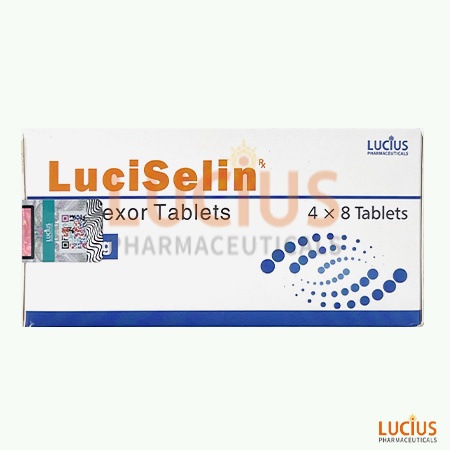
Rhabdomyolysis leading to acute kidney injury occurred in one elafibranor-treated patient with baseline cirrhosis who was also taking a stable dose of an HMG-CoA reductase inhibitor (statin). Myalgia or myopathy, with or without elevated creatine phosphokinase (CPK), has been reported in patients receiving elafibranor as monotherapy or in combination with stable doses of HMG-CoA reductase inhibitors.
Assess for myalgia and myopathy before initiating elafibranor treatment. Consider regular assessments (clinical examination, CPK measurement) during elafibranor treatment, especially in patients with new or worsening muscle pain or signs and symptoms of myopathy. Discontinue elafibranor if new or worsening muscle pain, myopathy, or rhabdomyolysis occurs.
The incidence of fractures was 6% in patients treated with elafibranor, while no fractures occurred in patients treated with placebo.
Fracture risk should be considered in the care of patients receiving elafibranor, and bone health should be monitored in accordance with current standards of care.
Based on results from animal reproductive studies, elafibranor may cause fetal harm when administered during pregnancy. Treatment of pregnant rats with elafibranor at maternal plasma drug exposures below or approximately equal to human exposures at the recommended dose resulted in stillbirths, decreased survival rates, reduced pup body weight, and/or blue/black discoloration of the physical tail.
For females of reproductive potential, confirm that the patient is not pregnant before starting treatment. Advise females of reproductive potential to use effective non-hormonal contraception, or add a barrier method to hormonal contraception, during elafibranor treatment and for 3 weeks after the last dose.
Drug-induced liver injury (DILI) occurred in one patient receiving elafibranor 80 mg once daily [see Adverse Reactions (6.1)] and in two patients receiving 1.5 times the recommended dose of elafibranor. In one patient who developed DILI while taking 1.5 times the recommended dose of elafibranor, the clinical presentation was drug-induced autoimmune-like hepatitis (DI-ALH). The median time to onset of elevated liver function tests was 85 days (range: Day 57 to Day 288). In Study 1, 6% of elafibranor-treated patients had elevated transaminases (alanine aminotransferase [ALT] and aspartate aminotransferase [AST] ≥5 times the upper limit of normal), compared with 6% of placebo-treated patients; 2% of elafibranor-treated patients had elevated total bilirubin (TB) (>3 times the upper limit of normal), compared with 0% of placebo-treated patients.
Obtain baseline clinical and laboratory evaluations before initiating elafibranor treatment, and monitor thereafter in accordance with routine patient management. Discontinue elafibranor if liver function tests (ALT, AST, TB, and/or alkaline phosphatase [ALP]) deteriorate, or if the patient develops signs and symptoms consistent with clinical hepatitis (e.g., jaundice, right upper quadrant pain, eosinophilia). If liver function tests deteriorate again after restarting elafibranor, consider permanent discontinuation.
Hypersensitivity reactions occurred in a clinical trial involving elafibranor at 1.5 times the recommended dose. Three patients (0.2%) developed rash or non-specific allergic reactions 2 to 30 days after starting elafibranor, with positive dechallenge and rechallenge tests. Hypersensitivity reactions resolved following discontinuation of elafibranor and treatment with corticosteroids and/or antihistamines.
Permanently discontinue elafibranor if a severe hypersensitivity reaction occurs. Interrupt elafibranor if a mild or moderate hypersensitivity reaction occurs. Monitor the patient until signs and symptoms resolve. If hypersensitivity reactions recur following rechallenge with elafibranor, permanently discontinue the drug.
Avoid use of elafibranor in patients with complete biliary obstruction. If biliary obstruction is suspected, interrupt elafibranor and treat according to clinical indications.
FDA,2024.06

Lucius Pharmaceuticals (Lao) LTD. (Lucius Pharmaceuticals), with its manufacturing campus in Laos located in the capital city of Vientiane in 2020, officially begins its great journey to make effective and affordable medicines available to people in need around the world...More

Lucius Pharmaceutical Co., Ltd., was established in 2020 in Vientiane, the capital of Laos. It aims to offer safe, effective, and affordable medicines globally. With a factory spanning 25,000 square meters, the company manufactures 200+ generic drugs in diverse therapeutic fields.
Address:No.26 Thongmang village, Xaythany district, Vientiane Capital, Laos
E-mail:laoslucius@gmail.com
Whatsapp: