Your Health, We Care
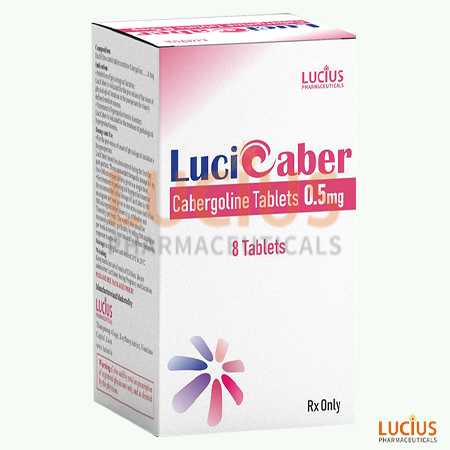
Before initiating cabergoline treatment, conduct a cardiovascular assessment, including an echocardiogram, to evaluate for valvular disease. Cabergoline is contraindicated in patients with existing valvular disease or pericardial fibrosis.
Cases of valvular and pericardial fibrosis often present with heart failure. After starting cabergoline treatment, monitor the development of valvular disease via cardiac echocardiogram every 6 to 12 months or based on clinical indicators (e.g., newly onset edema, heart murmurs, dyspnea, or heart failure). During cabergoline treatment, monitor for signs and symptoms of chest pain and heart failure; if heart failure occurs, valvular fibrosis and pericarditis should be ruled out. Consider conducting clinical and diagnostic monitoring at baseline and as necessary during cabergoline treatment, such as erythrocyte sedimentation rate (ESR), serum creatinine measurement, chest X-ray, and other examinations and cardiac imaging. Administer cabergoline to patients receiving other drugs associated with valvular disease only if the potential benefits of cabergoline outweigh the risks.
Discontinue cabergoline if a patient is newly diagnosed with valvular regurgitation, valvular restriction, leaflet thickening, or pericarditis.
Post-marketing cases of cardiac valvular disease have been reported in patients receiving cabergoline treatment. These cases typically occurred during the treatment of Parkinson’s disease (PD) with high doses of cabergoline (>2 mg/day) (cabergoline is not approved for the treatment of PD). Cases of cardiac valvular disease have also been reported in patients receiving lower doses of cabergoline for the treatment of hyperprolactinemic disorders. In a 12-year multinational retrospective cohort study, cabergoline use for PD was associated with an increased risk of cardiac valvular regurgitation (CVR). Compared with non-ergot-derived dopamine agonists and levodopa, the incidence of CVR was 68 cases per 10,000 person-years (95% CI: 37, 115) in patients using cabergoline, versus 10 cases (95% CI: 5, 19) for non-ergot dopamine agonists and 11 cases (95% CI: 7, 17) for levodopa.
Cabergoline is contraindicated in patients with a history of pleural, pulmonary, or retroperitoneal fibrosis. During cabergoline treatment, monitor for signs and symptoms of progressive fibrosis, including:
Thoracic and pulmonary diseases (e.g., dyspnea, shortness of breath, persistent cough, chest pain);
Renal impairment or ureteral/abdominal vascular obstruction (e.g., flank/side pain, lower extremity edema, abdominal mass or tenderness, which may indicate retroperitoneal fibrosis).
Consider conducting clinical and diagnostic monitoring for pleural, pulmonary, and retroperitoneal fibrosis at baseline and as necessary during cabergoline treatment, such as erythrocyte sedimentation rate (ESR), serum creatinine measurement, chest X-ray, and other examinations. Discontinue cabergoline if pleural, pericardial, retroperitoneal, or pulmonary fibrosis occurs.
Post-marketing cases of pleural, pulmonary, and retroperitoneal fibrosis have been reported following cabergoline administration. Some reports involved patients who had previously received treatment with other ergot-derived dopamine agonists. In cabergoline-treated patients who developed pleural effusion or pulmonary fibrosis and subsequently discontinued cabergoline, improvement in pulmonary symptoms was observed.
Measure blood pressure at baseline and during cabergoline treatment, and monitor for orthostatic hypotension. Warn patients about the risk of orthostatic hypotension and the preventive measures to take when rising from a supine or sitting position.
Instruct patients to report dizziness or lightheadedness caused by postural changes to their healthcare provider.
Cabergoline can cause orthostatic hypotension [see Adverse Reactions (6.1)]. In a 4-week placebo-controlled trial in patients with hyperprolactinemic disorders, the percentages of cabergoline-treated and placebo-treated patients who developed orthostatic hypotension were 4% and 0%, respectively [see Adverse Reactions (6.1)]. The risk of orthostatic hypotension is higher when cabergoline-treated patients concurrently take antihypertensive drugs.
Avoid using cabergoline to suppress physiological postpartum lactation due to the risk of serious adverse reactions. Cases of hypertension, stroke, myocardial infarction, seizures, and death have been reported with the use of another dopamine agonist, bromocriptine, for this unapproved purpose.
Since patients may not perceive impulse control and compulsive behaviors as abnormal, healthcare providers must specifically inquire whether patients experience new or increased gambling urges, sexual urges, uncontrollable spending, or other impulses during cabergoline treatment. If a patient develops such impulses while taking cabergoline, consider dose reduction or discontinuation of cabergoline.
Patients taking one or more drugs that increase central dopaminergic tone (including cabergoline) may experience intense urges to gamble, spend money, increased sexual desire, binge eating, and/or other intense impulses, and may be unable to control these impulses. In some cases, these impulses have been reported to stop when the dose is reduced or the drug is discontinued.
FDA,2025.04

Lucius Pharmaceuticals (Lao) LTD. (Lucius Pharmaceuticals), with its manufacturing campus in Laos located in the capital city of Vientiane in 2020, officially begins its great journey to make effective and affordable medicines available to people in need around the world...More

Lucius Pharmaceutical Co., Ltd., was established in 2020 in Vientiane, the capital of Laos. It aims to offer safe, effective, and affordable medicines globally. With a factory spanning 25,000 square meters, the company manufactures 200+ generic drugs in diverse therapeutic fields.
Address:No.26 Thongmang village, Xaythany district, Vientiane Capital, Laos
E-mail:laoslucius@gmail.com
Whatsapp: