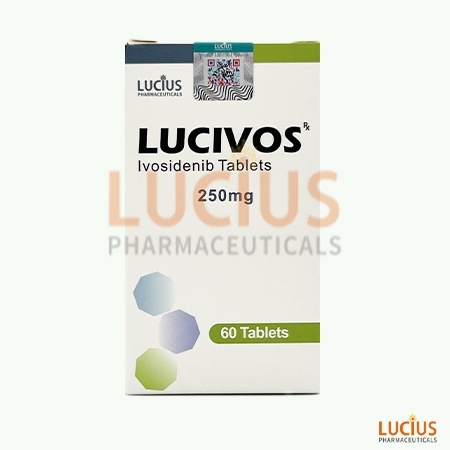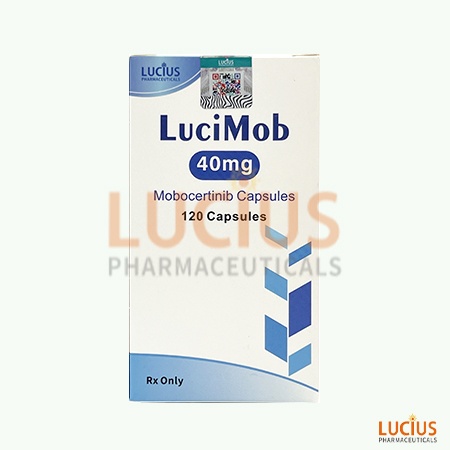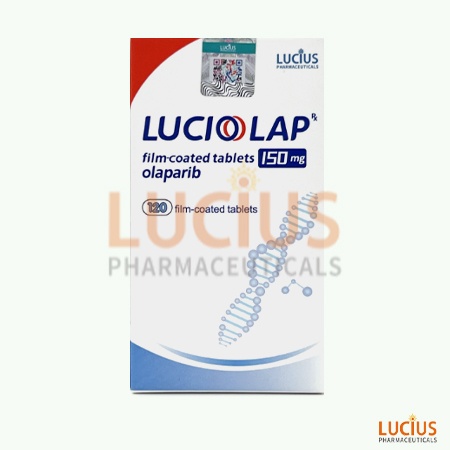
Your Health, We Care
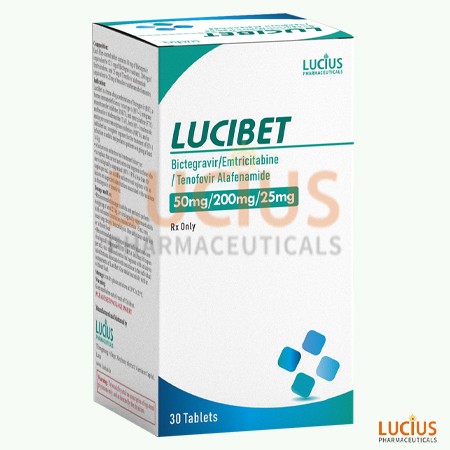
Patients with HIV-1 should be tested for chronic hepatitis B virus (HBV) infection before or at the start of antiretroviral therapy.
Severe acute exacerbations of hepatitis B have been reported in patients coinfected with HIV-1 and HBV who discontinued products containing emtricitabine and/or tenofovir disoproxil fumarate, and such exacerbations may also occur upon discontinuation of Biktarvy. Patients coinfected with HIV-1 and HBV who discontinue Biktarvy should undergo close clinical and laboratory follow-up monitoring for at least several months after stopping treatment. If applicable, anti-hepatitis B treatment may be necessary, especially in patients with advanced liver disease or cirrhosis, as post-treatment hepatitis exacerbation can lead to hepatic decompensation and liver failure.
Concomitant use of Biktarvy with certain other drugs may result in known or potentially significant drug interactions. Some of these interactions may lead to: loss of therapeutic effect of Biktarvy and potential development of drug resistance, or clinically significant adverse reactions due to increased exposure to concomitant medications.
Before and during Biktarvy treatment, consider the possibility of drug interactions; review concomitant medications during Biktarvy treatment; and monitor for adverse reactions associated with concomitant medications.
Immune reconstitution syndrome has been reported in patients receiving combination antiretroviral therapy. During the initial phase of combination antiretroviral therapy, patients with a responding immune system may develop an inflammatory response to occult or residual opportunistic infections, which may require further evaluation and treatment.
Autoimmune diseases have also been reported to occur in the setting of immune reconstitution; however, the onset time is more variable and may occur months after the start of treatment.
Post-marketing cases of renal impairment, including acute renal failure, proximal tubulopathy, and Fanconi syndrome, have been reported with products containing tenofovir alafenamide. Although most of these cases had underlying confounding factors that may have contributed to the reported renal events, these factors may also predispose patients to tenofovir-related adverse events. Biktarvy is not recommended for use in patients with severe renal impairment, patients with end-stage renal disease (ESRD) not receiving chronic hemodialysis, or treatment-naive patients with ESRD who are receiving chronic hemodialysis.
Patients with impaired renal function who are taking tenofovir prodrugs, as well as those taking nephrotoxic drugs (including nonsteroidal anti-inflammatory drugs), have an increased risk of developing renal-related adverse reactions.
Before initiating or reinitiating Biktarvy, and during Biktarvy treatment, assess serum creatinine, estimated creatinine clearance, urine glucose, and urine protein in all patients as clinically needed. For patients with chronic kidney disease, additionally assess serum phosphorus. Biktarvy should be discontinued in patients who develop clinically significant decreases in renal function or evidence of Fanconi syndrome.
Lactic acidosis and severe hepatomegaly with steatosis (including fatal cases) have been reported with the use of nucleoside analogs, including emtricitabine (a component of Biktarvy) and tenofovir disoproxil fumarate (another prodrug of tenofovir), either alone or in combination with other antiretroviral drugs. Biktarvy treatment should be suspended in patients who present with clinical or laboratory findings suggestive of lactic acidosis or significant hepatotoxicity.
FDA,2025.07
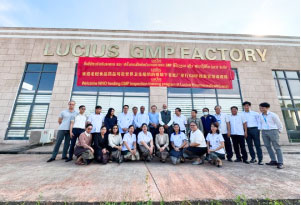
Lucius Pharmaceuticals (Lao) LTD. (Lucius Pharmaceuticals), with its manufacturing campus in Laos located in the capital city of Vientiane in 2020, officially begins its great journey to make effective and affordable medicines available to people in need around the world...More

Lucius Pharmaceutical Co., Ltd., was established in 2020 in Vientiane, the capital of Laos. It aims to offer safe, effective, and affordable medicines globally. With a factory spanning 25,000 square meters, the company manufactures 200+ generic drugs in diverse therapeutic fields.
Address:No.26 Thongmang village, Xaythany district, Vientiane Capital, Laos
E-mail:laoslucius@gmail.com
Whatsapp: