Your Health, We Care
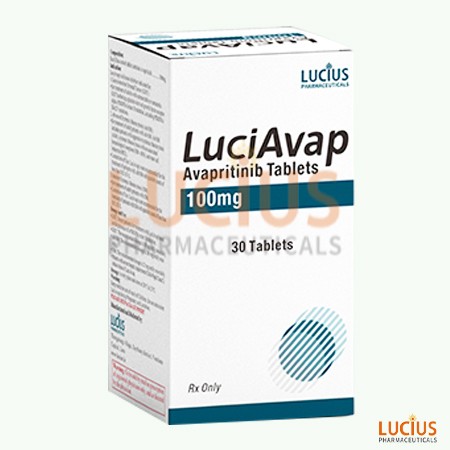
Severe intracranial hemorrhage may occur during treatment with avapritinib; the incidence of fatal events is less than 1%. Overall, among 749 patients with GIST or AdvSM who received avapritinib in clinical trials, the incidence of intracranial hemorrhage was 2.9%. No intracranial hemorrhage events occurred in 246 ISM patients who received any dose of avapritinib in the PIONEER study.
Closely monitor patients for risk factors of intracranial hemorrhage, which may include a history of vascular aneurysms, intracranial hemorrhage or cerebrovascular accident within one year, concurrent use of anticoagulant drugs, or thrombocytopenia.
Symptoms of intracranial hemorrhage may include headache, nausea, vomiting, changes in vision, or changes in mental status. Patients are advised to seek medical attention immediately upon the appearance of signs or symptoms of intracranial hemorrhage.
In the event of intracranial hemorrhage of any grade, permanently discontinue avapritinib.
Gastrointestinal Stromal Tumors (GIST): Intracranial hemorrhage occurred in 3 out of 267 patients. Two of these events were Grade 3 or higher and led to discontinuation of the study drug. Intracranial hemorrhage events occurred between 1.7 months and 19.3 months after the initiation of avapritinib treatment.
Advanced Systemic Mastocytosis (AdvSM): Among AdvSM patients receiving 200 mg of avapritinib daily, intracranial hemorrhage occurred in 2 out of 75 patients with a pretreatment platelet count ≥50×10^9/L; regardless of platelet count, it occurred in 3 out of 80 patients.
For AdvSM patients, platelet count must be checked before initiating treatment; avapritinib is not recommended for AdvSM patients with a platelet count <50×10^9/L. After starting treatment, regardless of baseline platelet count, platelet count must be checked every 2 weeks for the first 8 weeks. After 8 weeks of treatment, if the platelet count is below 75×10^9/L, monitor every 2 weeks; if the value is between 75 and 100×10^9/L, monitor every 4 weeks; if the value is above 100×10^9/L, monitor as clinically needed.
Manage platelet counts <50×10^9/L by interrupting treatment or reducing the dose of avapritinib. Platelet support may be required. Among patients receiving avapritinib, 20% and 22% required dose interruption and dose reduction due to thrombocytopenia, respectively. Thrombocytopenia is usually reversible with dose reduction or interruption of avapritinib.
Patients receiving avapritinib may experience cognitive adverse reactions. Among 995 patients with GIST, AdvSM, or ISM who received avapritinib in clinical trials, the incidence of these cognitive adverse reactions was 33%. These adverse reactions were managed with dose interruption and/or reduction when necessary.
Overall, in patients with GIST, AdvSM, or ISM, 10% required dose interruption, 7% required dose reduction, and 2.2% required permanent discontinuation of avapritinib treatment due to these reactions.
Depending on the severity and indication, suspend avapritinib, then resume treatment at the same dose or a reduced dose after improvement, or permanently discontinue avapritinib.
Indolent Systemic Mastocytosis (ISM): In the PIONEER study, the incidence of cognitive adverse reactions was 7.8% in patients receiving avapritinib plus best supportive care, compared with 7% in patients receiving placebo plus best supportive care; Grade 3 events were less than 1%. The median time to the first cognitive adverse reaction was 2.3 months. The median time to improvement to Grade 1 or complete resolution was 2.1 months.
Gastrointestinal Stromal Tumors (GIST): Among 601 GIST patients receiving avapritinib, the incidence of cognitive adverse reactions was 41%; 5% of these were Grade 3 or higher. The incidence of memory impairment was 21%; Grade 3 events were less than 1%. The incidence of cognitive disorder was 12%; 1.2% of these were Grade 3 events. The incidence of confusional state was 6%; Grade 3 events were less than 1%. The incidence of amnesia was 3%; Grade 3 events were less than 1%. The incidence of somnolence and speech disorder was 2%; none of these events were Grade 3. The incidence of other events was less than 2%.
The median time to the first cognitive adverse reaction was 8.4 weeks. Among patients experiencing Grade 2 or more severe cognitive effects, the median time to improvement to Grade 1 or complete resolution was 7.9 weeks. Overall, 2.7% of all patients receiving avapritinib required permanent discontinuation, 13.5% required dose interruption, and 8.5% required dose reduction due to cognitive adverse reactions.
Advanced Systemic Mastocytosis (AdvSM): Among 148 AdvSM patients receiving avapritinib, the incidence of cognitive adverse reactions was 28%; 3% of these were Grade 3 or higher. The incidence of memory impairment was 16%; all events were Grade 1 or 2. The incidence of cognitive disorder was 10%; Grade 3 events were less than 1%. The incidence of confusional state was 6%; Grade 3 events were less than 1%. The incidence of other events was less than 2%.
The median time to the first cognitive adverse reaction was 13.3 weeks. Among patients experiencing Grade 2 or more severe cognitive effects, the median time to improvement to Grade 1 or complete resolution was 8.1 weeks. Overall, 2% of all patients receiving avapritinib required permanent discontinuation, 8.1% required dose interruption, and 8.8% required dose reduction due to cognitive adverse reactions.
Avapritinib may cause photosensitivity reactions. Among all patients receiving avapritinib in clinical trials, the incidence of photosensitivity reactions was 2.5%. Patients are advised to limit direct ultraviolet (UV) exposure during avapritinib treatment and for one week after discontinuing the drug.
Based on animal study results and its mechanism of action, avapritinib may cause fetal harm when administered to pregnant women. Oral administration of avapritinib during organogenesis was teratogenic and embryotoxic in rats, with exposures approximately 31.4-fold, 6.3-fold, and 2.7-fold the human exposures at the 25 mg, 200 mg, and 300 mg doses, respectively.
Inform pregnant women of the potential risk to the fetus. Advise females and males of reproductive potential to use effective contraceptive measures during avapritinib treatment and for 6 weeks after the last dose.
FDA,2024.11

Lucius Pharmaceuticals (Lao) LTD. (Lucius Pharmaceuticals), with its manufacturing campus in Laos located in the capital city of Vientiane in 2020, officially begins its great journey to make effective and affordable medicines available to people in need around the world...More

Lucius Pharmaceutical Co., Ltd., was established in 2020 in Vientiane, the capital of Laos. It aims to offer safe, effective, and affordable medicines globally. With a factory spanning 25,000 square meters, the company manufactures 200+ generic drugs in diverse therapeutic fields.
Address:No.26 Thongmang village, Xaythany district, Vientiane Capital, Laos
E-mail:laoslucius@gmail.com
Whatsapp: