Your Health, We Care
Since clinical trials are conducted under a wide variety of differing conditions, the incidence of adverse reactions observed in the clinical trial of one drug cannot be directly compared to the incidence in the clinical trial of another drug, nor may it reflect the incidence observed in clinical practice.
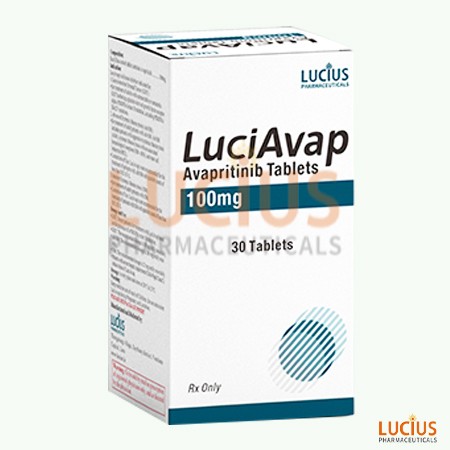
Data in the Warnings and Precautions section reflect exposure to avapritinib in 995 patients who received oral doses ranging from 25 mg to 600 mg once daily across five clinical trials in patients with advanced malignancies and systemic mastocytosis. These patients included 601 with gastrointestinal stromal tumors (GIST), 148 with advanced systemic mastocytosis (AdvSM), and 246 with indolent systemic mastocytosis (ISM). Of the 995 patients treated with avapritinib, 54% were exposed for 6 months or longer, and 26% were exposed for more than 1 year.
Unresectable or Metastatic GIST: The safety of avapritinib in patients with unresectable or metastatic GIST was evaluated in the NAVIGATOR study. This trial excluded patients with a history of cerebrovascular accident or transient ischemic attack, known risk of intracranial hemorrhage, and brain metastases. Patients received avapritinib 300 mg or 400 mg orally once daily. Of the patients who received avapritinib, 56% were exposed for 6 months or longer, and 44% were exposed for more than 1 year.
The median age of patients treated with avapritinib was 62 years; 60% were younger than 65 years, 62% were male, and 69% were White. Patients had received a median of 3 prior kinase inhibitor therapies.
Serious adverse reactions occurred in 52% of patients treated with avapritinib. Serious adverse reactions with an incidence of ≥1% included anemia, abdominal pain, pleural effusion, sepsis, gastrointestinal hemorrhage, vomiting, acute kidney injury, pneumonia, and tumor hemorrhage. Fatal adverse reactions occurred in 3.4% of patients. Fatal adverse reactions reported in more than 1 patient were sepsis and tumor hemorrhage.
Permanent discontinuation of avapritinib due to adverse reactions occurred in 16% of patients. Adverse reactions leading to permanent discontinuation in more than 1 patient included fatigue, abdominal pain, vomiting, sepsis, anemia, acute kidney injury, and encephalopathy.
Dose interruptions due to adverse reactions occurred in 57% of patients. Adverse reactions leading to dose interruption in more than 2% of patients included anemia, fatigue, nausea, vomiting, hyperbilirubinemia, memory impairment, diarrhea, cognitive disorder, and abdominal pain.
Dose reductions due to adverse reactions occurred in 49% of patients. The median time to dose reduction was 9 weeks. Adverse reactions leading to dose reduction in more than 2% of patients included fatigue, anemia, hyperbilirubinemia, memory impairment, nausea, and periorbital edema.
The most common adverse reactions included edema, nausea, fatigue/asthenia, cognitive disorder, vomiting, decreased appetite, diarrhea, increased lacrimation, abdominal pain, constipation, rash, dizziness, and hair color changes.
Clinically relevant adverse reactions with an incidence of less than 10% included: vascular hypertension; endocrine thyroid disorders; cutaneous and subcutaneous tissue palmar-plantar erythrodysesthesia syndrome.
The safety of avapritinib in patients with AdvSM was evaluated in the EXPLORER and PATHFINDER studies. Patients received starting doses ranging from 30 mg to 400 mg orally once daily, including 80 patients who received the recommended starting dose of 200 mg once daily. Of the patients who received avapritinib, 70% were treated for 6 months or longer, and 37% were exposed for more than 1 year.
The median age of patients treated with avapritinib was 68 years; 38% were younger than 65 years, 57% were male, and 88% were White.
In patients who received the recommended starting dose of 200 mg once daily, serious adverse reactions occurred in 34%; in all dose groups, the incidence was 50%. Serious adverse reactions with an incidence of ≥1% included anemia, subdural hematoma, pleural effusion, ascites, pneumonia, acute kidney injury, gastrointestinal hemorrhage, intracranial hemorrhage, encephalopathy, gastric hemorrhage, large intestinal perforation, fever, and vomiting. In patients who received the recommended starting dose of 200 mg once daily, fatal adverse reactions occurred in 2.5%; in all dose groups, the incidence was 5.3%. No single adverse reaction causing death was reported in more than 1 patient.
In patients who received the recommended starting dose of 200 mg once daily, permanent discontinuation of avapritinib due to adverse reactions occurred in 10%; in all dose groups, the incidence was 15%. Subdural hematoma was the only adverse reaction leading to permanent discontinuation in more than 1 patient receiving 200 mg once daily.
In patients who received the recommended starting dose of 200 mg once daily, dose interruptions due to adverse reactions occurred in 60%; in all dose groups, the incidence was 67%. Adverse reactions leading to dose interruption in more than 2% of patients included thrombocytopenia, neutropenia, decreased neutrophil count, decreased platelet count, anemia, leukopenia, cognitive disorder, increased blood alkaline phosphatase, and peripheral edema.
In patients who received the recommended starting dose of 200 mg once daily, dose reductions due to adverse reactions occurred in 68%; in all dose groups, the incidence was 70%. The median time to dose reduction was 1.7 months. Adverse reactions leading to dose reduction in more than 2% of patients included thrombocytopenia, neutropenia, peripheral edema, decreased neutrophil count, decreased platelet count, periorbital edema, cognitive disorder, anemia, fatigue, arthralgia, increased blood alkaline phosphatase, and decreased white blood cell count.
In all dose groups, the most common adverse reactions included edema, diarrhea, nausea, and fatigue/asthenia.
Clinically relevant adverse reactions with an incidence of less than 10% included: cardiac heart failure and congestive heart failure; gastrointestinal ascites, gastrointestinal hemorrhage, and large intestinal perforation; hepatobiliary cholelithiasis; infections and infestations upper respiratory tract infection, urinary tract infection, and herpes zoster; vascular flushing, hypertension, hypotension, and hot flashes; neurological insomnia; musculoskeletal and connective tissue limb pain; respiratory, thoracic and mediastinal dyspnea and cough; cutaneous and subcutaneous tissue rash, alopecia, pruritus, and hair color changes; metabolic and nutritional decreased appetite; ocular increased lacrimation; laboratory abnormality decreased phosphate.
In the pooled safety population of GIST and AdvSM, the incidence of photosensitivity reaction was 2.5%.
The safety of avapritinib in patients with ISM was evaluated in the PIONEER study. Patients received avapritinib 25 mg orally once daily plus best supportive care or placebo once daily plus best supportive care.
One patient treated with avapritinib experienced a serious adverse reaction of pelvic hematoma.
Permanent discontinuation of avapritinib due to adverse reactions occurred in 0.7% of patients, attributed to dyspnea and dizziness.
Dose interruptions due to adverse reactions occurred in 5% of patients treated with avapritinib. Adverse reactions leading to dose interruption included dizziness, increased blood alkaline phosphatase, dyspnea, facial edema, pelvic hematoma, increased liver transaminases, and respiratory tract infection.
The most common adverse reactions in the avapritinib group included periorbital edema, dizziness, peripheral edema, and flushing. Of all adverse reactions, 55% were Grade 1, 38% were Grade 2, and 7% were Grade 3. Among patients with edema adverse reactions, 95% were Grade 1 and 5% were Grade 2. Among patients with hemorrhage adverse reactions, 86% were Grade 1 and 14% were Grade 2.
Clinically relevant adverse reactions with an incidence of less than 5% included: cutaneous and subcutaneous tissue photosensitivity reaction.
FDA,2024.11

Lucius Pharmaceuticals (Lao) LTD. (Lucius Pharmaceuticals), with its manufacturing campus in Laos located in the capital city of Vientiane in 2020, officially begins its great journey to make effective and affordable medicines available to people in need around the world...More

Lucius Pharmaceutical Co., Ltd., was established in 2020 in Vientiane, the capital of Laos. It aims to offer safe, effective, and affordable medicines globally. With a factory spanning 25,000 square meters, the company manufactures 200+ generic drugs in diverse therapeutic fields.
Address:No.26 Thongmang village, Xaythany district, Vientiane Capital, Laos
E-mail:laoslucius@gmail.com
Whatsapp: