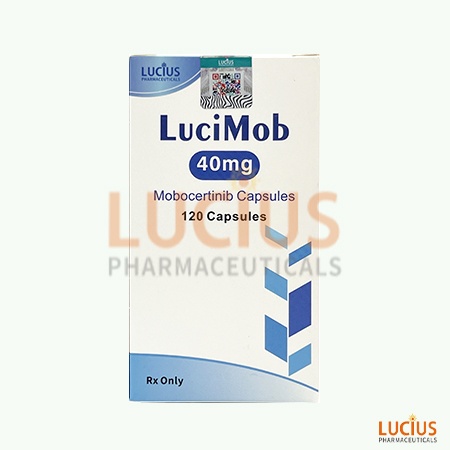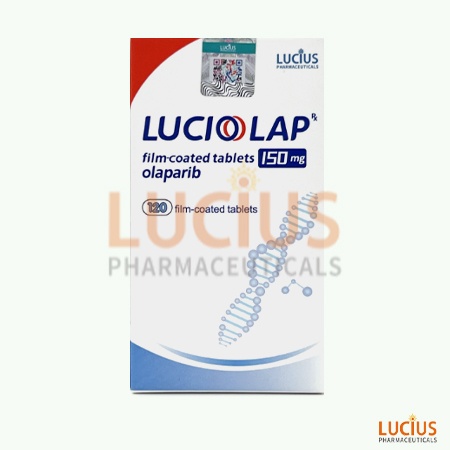
Your Health, We Care
Release date: 2024-12-05 15:49:11 Article From: Lucius Laos Recommended: 299
According to the results of animal studies and the mechanism of action, Asciminib can cause embryo-fetal injury when administered to pregnant women. There are no available data on the use of Asciminib in pregnant women to assess drug-related risks.
Animal reproduction studies in pregnant rats and rabbits have shown that oral administration of asciminil during organogenesis induces structural abnormalities, embryo-fetal mortality, and growth changes.
Inform pregnant women and women of reproductive potential about the potential risks to the fetus.
There are no data on the presence of Asciminib or its metabolites in human milk, its effects on breastfed children, or milk production.
Due to the possibility of serious adverse effects in breastfed infants, women are advised not to breastfeed during treatment with Asciminib and for 1 week after the last dose.
According to the results of animal studies, Asciminib can cause embryo-fetal injury when administered to pregnant women [see "Use in specific populations"].
Verify the gestational status of females of reproductive potential before initiating Asciminib treatment.
During treatment with Asciminib and for 1 week after the last dose, women of reproductive potential should use an effective method of contraception.
According to the results of animal studies, Asciminib may impair fertility in women of reproductive potential. The reversibility of this effect on fertility is unknown.
The safety and efficacy of Asciminib in pediatric patients have not been determined.
Overall, no difference in the safety or efficacy of Asciminib was observed in patients aged 65 years and older compared to younger patients. The number of patients aged 75 years and older was insufficient to assess whether there was a difference in safety or efficacy.
For patients with mild to severe renal impairment (estimated glomerular filtration rate [eGFR] 15 to 89 mL/min/1.73 m2) who do not require Asciminib dialysis, no dose adjustment is required.
Dose adjustment is not required for patients with mild [total bilirubin≤ upper limit of normal (ULN) and aspartate aminotransferase (AST) > ULN or total bilirubin > 1 to 1.5 times ULN and any AST] to severe hepatic impairment (total bilirubin > 3 times ULN and any AST) treated with Asciminib.
On November 21, 2025, the U.S. Food and Drug Administration (FDA) approved the regimen of pembrolizu···【more】
Recommended:[list:visits]2025-17-12
Lung cancer is the most rapidly increasing malignant tumor with the fastest increasing morbidity and···【more】
Recommended:[list:visits]2024-09-07
Lucius Pharmaceuticals Version of Vibegron Now Available1.Basic Drug InformationVibegron (generic na···【more】
Recommended:[list:visits]2026-06-08
In recent years, leveraging the World Trade Organization (WTO) patent waiver for least-developed cou···【more】
Recommended:[list:visits]2026-05-08
How Can Chinese Patients Access Generic Drugs from Laos?In recent years, generic drugs from Laos hav···【more】
Recommended:[list:visits]2026-04-08
Lucius Pharmaceuticals version of Ibrutinib is now availableIn a randomized controlled trial of 269 ···【more】
Recommended:[list:visits]2026-03-08
Leveraging the WTO patent waiver for least-developed countries (extended to 2033), Laos has seen rap···【more】
Recommended:[list:visits]2026-31-07
Alectinib Has Been Launched in LaosAlectinib is an oral targeted therapeutic drug belonging to the c···【more】
Recommended:[list:visits]2026-30-07
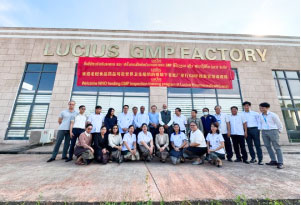
Lucius Pharmaceuticals (Lao) LTD. (Lucius Pharmaceuticals), with its manufacturing campus in Laos located in the capital city of Vientiane in 2020, officially begins its great journey to make effective and affordable medicines available to people in need around the world...More

Lucius Pharmaceutical Co., Ltd., was established in 2020 in Vientiane, the capital of Laos. It aims to offer safe, effective, and affordable medicines globally. With a factory spanning 25,000 square meters, the company manufactures 200+ generic drugs in diverse therapeutic fields.
Address: No.26 Thongmang village, Xaythany district, Vientiane Capital, Laos
E-mail:laoslucius@gmail.com

Name: Lucius

Telegram name: Vira
No.:0085253923643
Telegram name: Vira
No.:0085253923643