Your Health, We Care
Release date: 2026-04-02 15:49:51 Article From: Lucius Laos Recommended: 252
Chronic GVHD is characterized by severe immune system imbalance. Following hematopoietic stem cell transplantation, donor immune cells may attack the recipient’s body, resulting in inflammation and fibrosis. Belumosudil acts through a distinct mechanism from other therapies and is currently the only approved agent for chronic GVHD that works by blocking the ROCK2 pathway in the body. Overactivity of the ROCK2 pathway is a key driver of immune dysregulation. By inhibiting this pathway, belumosudil helps restore immune balance, reduces excessive inflammatory responses caused by immune overactivation, and suppresses subsequent fibrotic processes that can lead to organ damage.
Chronic GVHD is a complex disorder with diverse symptoms that significantly impair patients’ quality of life. Common manifestations include skin rash, thickening or tightness, persistent cough and shortness of breath, joint stiffness and impaired mobility, as well as gastrointestinal symptoms such as nausea and diarrhea. Patients may also experience dry eyes, dry or sensitive mouth, severe fatigue, and reduced energy levels. Management of chronic GVHD requires an individualized plan based on the organs involved, severity of symptoms, and impact on daily living. While medical teams may use various medications including immunosuppressants, agents with alternative mechanisms of action such as belumosudil may be more appropriate for certain patients.
Living with chronic GVHD is a long-term journey that presents substantial challenges for both patients and caregivers. Close communication with the healthcare team is essential throughout this process. First, after initiating belumosudil treatment, inform your doctor of all other medications you are taking, as certain drugs (such as proton pump inhibitors) may affect the efficacy of belumosudil. Second, discuss any side effects or concerns about treatment response promptly with your care team; they can help you manage side effects or adjust the treatment plan as needed. Finally, follow your doctor’s instructions carefully — do not discontinue treatment or alter the dosage without medical guidance. Maintain a positive outlook and work collaboratively with your healthcare team to address the challenges posed by the disease.
On November 21, 2025, the U.S. Food and Drug Administration (FDA) approved the regimen of pembrolizu···【more】
Recommended:[list:visits]2025-17-12
Lung cancer is the most rapidly increasing malignant tumor with the fastest increasing morbidity and···【more】
Recommended:[list:visits]2024-09-07
Lucius Pharmaceuticals Version of Vibegron Now Available1.Basic Drug InformationVibegron (generic na···【more】
Recommended:[list:visits]2026-06-08
In recent years, leveraging the World Trade Organization (WTO) patent waiver for least-developed cou···【more】
Recommended:[list:visits]2026-05-08
How Can Chinese Patients Access Generic Drugs from Laos?In recent years, generic drugs from Laos hav···【more】
Recommended:[list:visits]2026-04-08
Lucius Pharmaceuticals version of Ibrutinib is now availableIn a randomized controlled trial of 269 ···【more】
Recommended:[list:visits]2026-03-08
Leveraging the WTO patent waiver for least-developed countries (extended to 2033), Laos has seen rap···【more】
Recommended:[list:visits]2026-31-07
Alectinib Has Been Launched in LaosAlectinib is an oral targeted therapeutic drug belonging to the c···【more】
Recommended:[list:visits]2026-30-07
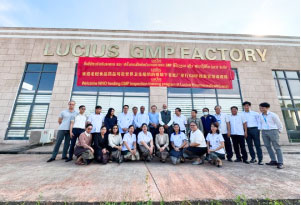
Lucius Pharmaceuticals (Lao) LTD. (Lucius Pharmaceuticals), with its manufacturing campus in Laos located in the capital city of Vientiane in 2020, officially begins its great journey to make effective and affordable medicines available to people in need around the world...More

Lucius Pharmaceutical Co., Ltd., was established in 2020 in Vientiane, the capital of Laos. It aims to offer safe, effective, and affordable medicines globally. With a factory spanning 25,000 square meters, the company manufactures 200+ generic drugs in diverse therapeutic fields.
Address: No.26 Thongmang village, Xaythany district, Vientiane Capital, Laos
E-mail:laoslucius@gmail.com

Name: Lucius

Telegram name: Vira
No.:0085253923643
Telegram name: Vira
No.:0085253923643