Your Health, We Care
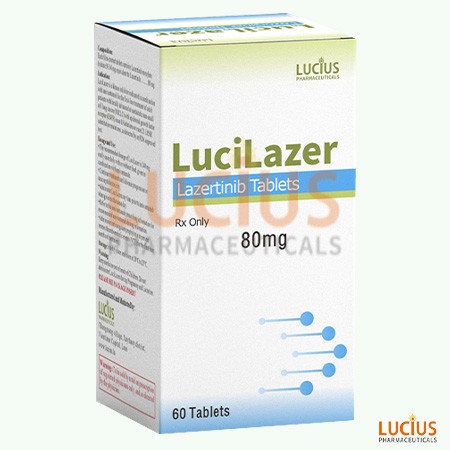
The combination of lazertinib and amivantamab may cause serious and fatal venous thromboembolism events, including deep vein thrombosis and pulmonary embolism. Most events occur within the first four months of treatment.
In the MARIPOSA study, among patients receiving combination therapy with lazertinib and amivantamab, the incidence of VTE was 36%, with 10% being grade 3 and 0.5% being grade 4. During the study, 1.2% of patients developed VTE while receiving anticoagulant therapy. There were two fatal VTE cases (0.5%). VTE led to interruption of lazertinib administration in 7% of patients, dose reduction of lazertinib in 0.5% of patients, and permanent discontinuation of lazertinib in 1.9% of patients. The median time to VTE onset was 84 days (range: 6 to 777 days).
Prophylactic anticoagulation is recommended for the first four months of treatment. Vitamin K antagonists are not recommended. Monitor for signs and symptoms of VTE and initiate medical treatment as appropriate.
Suspend lazertinib and amivantamab based on the severity of the event. Once anticoagulant therapy is initiated, healthcare providers will determine whether to resume lazertinib and amivantamab at the same dose level. For patients with recurrent VTE despite therapeutic anticoagulation, permanently discontinue amivantamab. Healthcare providers will decide whether to continue lazertinib at the same dose level. Refer to the amivantamab prescribing information for recommended amivantamab dose adjustments.
The combination of lazertinib and amivantamab may cause interstitial lung disease/pneumonitis.
In the MARIPOSA study, among patients receiving combination therapy with lazertinib and amivantamab, the incidence of ILD/pneumonitis was 3.1%, with 1.0% being grade 3 and 0.2% being grade 4. There was one fatal case of ILD/pneumonitis (0.2%), and 2.9% of patients permanently discontinued both lazertinib and amivantamab due to ILD/pneumonitis.
Monitor patients for new or worsening signs and symptoms suggestive of ILD/pneumonitis (e.g., dyspnea, cough, fever). For patients with suspected ILD/pneumonitis, immediately suspend lazertinib and amivantamab; permanently discontinue both drugs if ILD/pneumonitis is confirmed.
The combination of lazertinib and amivantamab may cause severe skin rashes, including acneiform dermatitis, pruritus, and dry skin.
In the MARIPOSA study, among patients receiving combination therapy with lazertinib and amivantamab, the incidence of rash was 86%, with 26% being grade 3. The median time to rash onset was 14 days (range: 1 to 556 days). Rash led to dose reduction of lazertinib in 19% of patients, interruption of lazertinib administration in 30% of patients, and permanent discontinuation of lazertinib in 1.7% of patients.
When initiating combination therapy with lazertinib and amivantamab, use alcohol-free moisturizers to reduce the risk of cutaneous adverse reactions. Instruct patients to limit sun exposure during combination treatment with lazertinib and amivantamab and for 2 months after treatment. Advise patients to wear protective clothing and use broad-spectrum UVA/UVB sunscreen.
Consider implementing preventive measures (e.g., oral antibiotics) to reduce the risk of cutaneous adverse reactions. If skin reactions occur, use topical corticosteroids and topical and/or oral antibiotics. For grade 3 reactions, use oral steroids and consider consultation with a dermatologist. Patients with severe rashes, rashes with atypical appearance or distribution, or rashes that do not improve within 2 weeks should be referred to a dermatologist immediately. Suspend, reduce the dose of, or permanently discontinue lazertinib and amivantamab based on the severity of the reaction.
The combination of lazertinib and amivantamab may cause ocular toxicity, including keratitis.
In the MARIPOSA study, among patients receiving combination therapy with lazertinib and amivantamab, the incidence of ocular toxicity was 16%, with 0.7% being grade 3 or 4 ocular toxicity. Patients with new or worsening ocular symptoms should be immediately referred to an ophthalmologist for evaluation. Suspend, reduce the dose of, or permanently discontinue amivantamab based on severity, and continue lazertinib treatment.
Based on findings from animal studies and its mechanism of action, lazertinib may cause fetal harm when administered to pregnant women. In animal reproductive studies, oral administration of lazertinib to pregnant animals during organogenesis resulted in decreased embryo-fetal survival and reduced fetal body weight in rats, and malformations in rabbits, at exposures approximately 4 times and 0.5 times the exposure at the recommended human dose of 240 mg/day (based on AUC), respectively.
Inform pregnant women and females of reproductive potential of the potential risk to the fetus. Advise females of reproductive potential to use effective contraception during treatment with lazertinib and for 3 weeks after the last dose. Advise male patients with female partners of reproductive potential to use effective contraception during treatment with lazertinib and for 3 weeks after the last dose.
FDA,2024.08

Lucius Pharmaceuticals (Lao) LTD. (Lucius Pharmaceuticals), with its manufacturing campus in Laos located in the capital city of Vientiane in 2020, officially begins its great journey to make effective and affordable medicines available to people in need around the world...More

Lucius Pharmaceutical Co., Ltd., was established in 2020 in Vientiane, the capital of Laos. It aims to offer safe, effective, and affordable medicines globally. With a factory spanning 25,000 square meters, the company manufactures 200+ generic drugs in diverse therapeutic fields.
Address:No.26 Thongmang village, Xaythany district, Vientiane Capital, Laos
E-mail:laoslucius@gmail.com
Whatsapp: