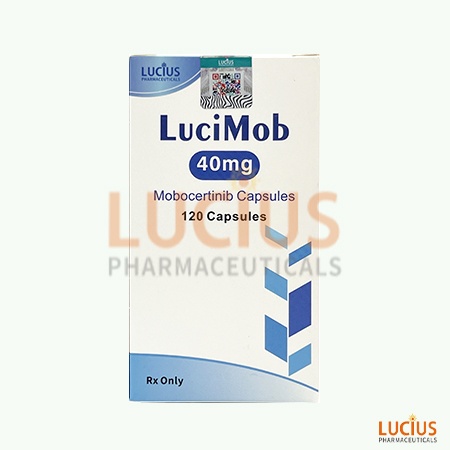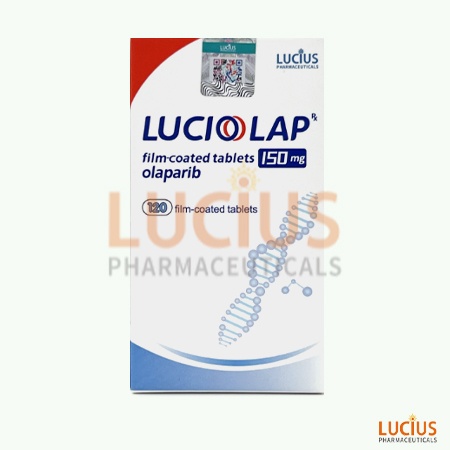
Your Health, We Care
Release date: 2025-06-09 10:18:59 Article From: Lucius Laos Recommended: 297
As a new type of therapeutic drug, aboxitinib has attracted attention in clinical application in recent years.
Its mechanism of action and efficacy have become a hot topic of discussion in the medical community, and patients also have expectations for its actual effect.
The drug is mainly used for skin and mucosal diseases caused by certain immune system abnormalities. By inhibiting specific signaling pathways, the intensity of the immune response is regulated, thereby mitigating the overactive immune response. Clinical data show that about 65% of patients experience a symptom improvement of more than 50% after 12 weeks of continuous medication.
The recommended starting dose is 100 mg per day and can be titrated to 200 mg depending on response to treatment. However, it should be noted that the dose should be lowered in elderly patients and those with hepatic and renal insufficiency. Studies have shown that the metabolic rate of Asian populations is 15%-20% lower than that of European and American populations, and the medication regimen needs to be individualized.
Common side effects include upper respiratory tract infection, headache, and fluctuations in lipid profiles. The incidence ranges from 18% to 25%, and most cases are mild to moderate. It is recommended to perform tuberculosis screening before medication, and monitor blood routine and liver function every 3 months during treatment. The incidence of serious adverse reactions is less than 2%, but an early warning mechanism needs to be established to deal with them in a timely manner.
Pharmacoeconomic evaluations have shown that a single course of treatment costs about $1,200, including medication and necessary tests. Differences in medical insurance policies in different regions have led to significant differences in the actual payment ratio of patients, and some countries have included them in the reimbursement list for special diseases.
Based on a typical treatment plan, the average annual cost of treatment is about $4,800. It is recommended to reduce financial pressure through patient assistance programs, and some pharmaceutical companies have launched a first-year buy-in policy, which allows those who meet the conditions to reduce the cost by 30%. The charity drug donation program covers about 40% of the self-paying patient population.
When combined with a potent inhibitor of CYP3A4, the plasma concentration may increase by a factor of 2.3 and the dose needs to be adjusted to 50 mg. Common foods and beverages such as grapefruit juice may also affect metabolism, so you should keep your diet stable during the medication. Special populations such as pregnant women need to avoid use completely, lactating women are advised to suspend breastfeeding.
The evaluation of efficacy should include indicators such as symptom remission, improvement of quality of life, and prolongation of recurrence interval. Real-world studies have confirmed that standard medication can reduce disease activity scores by 4.2 points, which is equivalent to 2.8 times the effectiveness of conventional treatments. However, it is important to note that about 12% of patients may have a decrease in response to treatment, and response to treatment should be assessed regularly.
Abuxitinib has demonstrated unique value in specific disease areas, and its balance of efficacy and safety depends on precise medication management. The medical team should establish a full-cycle monitoring system and formulate an individualized plan based on the patient's financial affordability. In the future, with the launch of generic drugs and the expansion of medical insurance coverage, drug accessibility is expected to be further improved, so that more patients can obtain standardized treatment opportunities. The key is to build a scientific treatment evaluation system to ensure the rational allocation of medical resources and the maximization of clinical benefits.
On November 21, 2025, the U.S. Food and Drug Administration (FDA) approved the regimen of pembrolizu···【more】
Recommended:[list:visits]2025-17-12
Lung cancer is the most rapidly increasing malignant tumor with the fastest increasing morbidity and···【more】
Recommended:[list:visits]2024-09-07
Lucius Pharmaceuticals Version of Vibegron Now Available1.Basic Drug InformationVibegron (generic na···【more】
Recommended:[list:visits]2026-06-08
In recent years, leveraging the World Trade Organization (WTO) patent waiver for least-developed cou···【more】
Recommended:[list:visits]2026-05-08
How Can Chinese Patients Access Generic Drugs from Laos?In recent years, generic drugs from Laos hav···【more】
Recommended:[list:visits]2026-04-08
Lucius Pharmaceuticals version of Ibrutinib is now availableIn a randomized controlled trial of 269 ···【more】
Recommended:[list:visits]2026-03-08
Leveraging the WTO patent waiver for least-developed countries (extended to 2033), Laos has seen rap···【more】
Recommended:[list:visits]2026-31-07
Alectinib Has Been Launched in LaosAlectinib is an oral targeted therapeutic drug belonging to the c···【more】
Recommended:[list:visits]2026-30-07

Lucius Pharmaceuticals (Lao) LTD. (Lucius Pharmaceuticals), with its manufacturing campus in Laos located in the capital city of Vientiane in 2020, officially begins its great journey to make effective and affordable medicines available to people in need around the world...More

Lucius Pharmaceutical Co., Ltd., was established in 2020 in Vientiane, the capital of Laos. It aims to offer safe, effective, and affordable medicines globally. With a factory spanning 25,000 square meters, the company manufactures 200+ generic drugs in diverse therapeutic fields.
Address: No.26 Thongmang village, Xaythany district, Vientiane Capital, Laos
E-mail:laoslucius@gmail.com

Name: Lucius

Telegram name: Vira
No.:0085253923643
Telegram name: Vira
No.:0085253923643